
Buying a SWFL Condo? 7 Mistakes You're Making with Florida’s New 2026 Transparency Rules
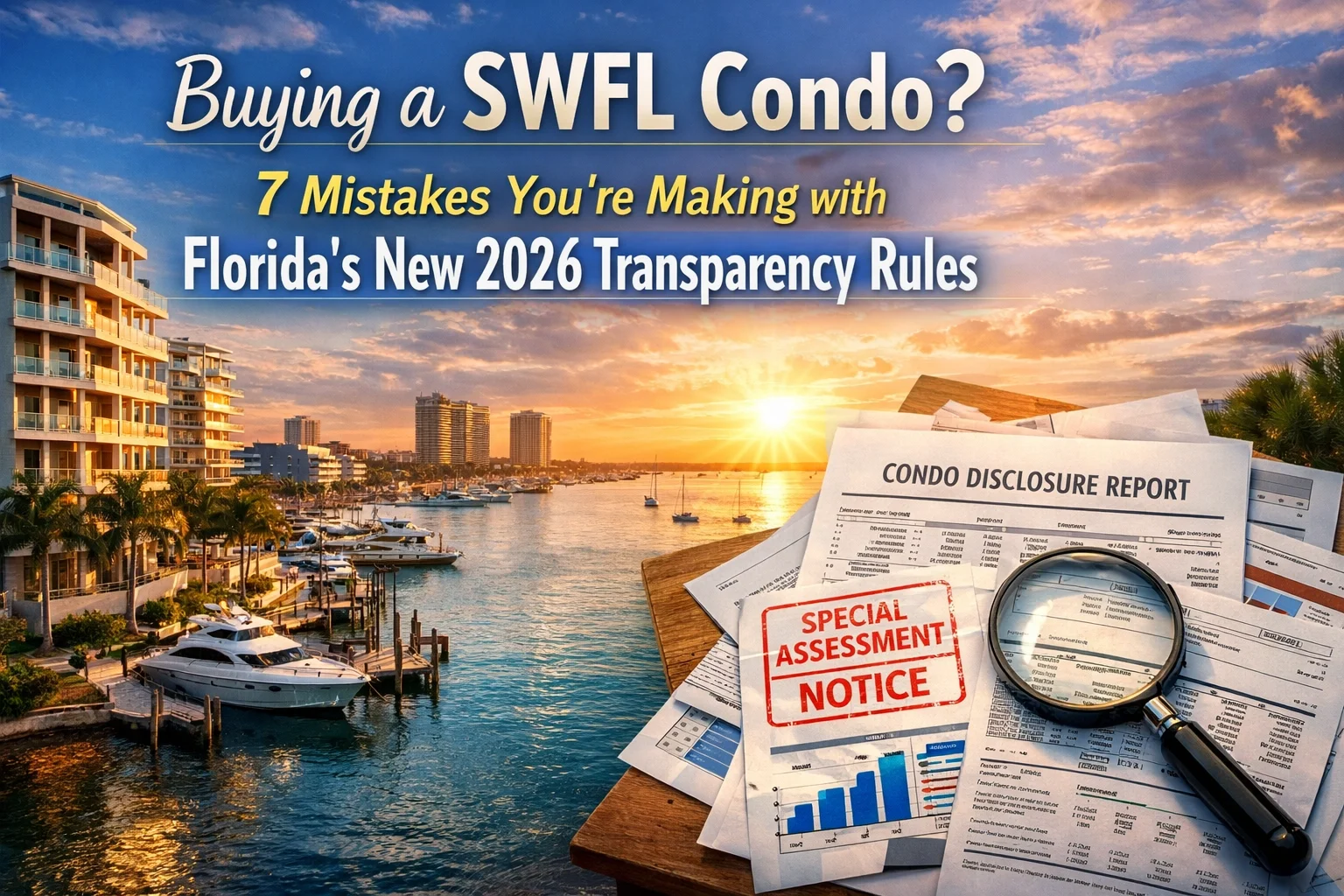
If you’ve been dreaming of a sunset view over the Gulf or a cozy spot near the Caloosahatchee River, you’ve probably noticed that the Southwest Florida condo market looks a little different this year. As of January 1, 2026, the game has officially changed. Florida’s new condo transparency rules are now in full swing, and while they were designed to protect you, they’ve also added a whole new layer of homework for buyers.
In the old days: way back in 2024 or 2025: buying a condo in Fort Myers or Naples sometimes felt like a bit of a gamble. You’d get a stack of papers at the last minute, cross your fingers that the roof was okay, and hope a massive special assessment wasn’t lurking around the corner.
Not anymore. The 2026 rules mean more data, more digital access, and more accountability. But here’s the kicker: more information only helps if you actually know what you’re looking at. At AnchorPoint Real Estate, we’re seeing buyers make the same mistakes over and over because they’re stuck in the "old way" of house hunting.
If you’re looking to snag a piece of paradise in SWFL, make sure you aren't falling into these seven common traps.
1. Not Demanding Access to the Association’s Digital Portal
Under the new 2026 laws, any Florida condo association with 25 or more units is legally required to maintain a secure website or member portal. This isn’t just a fancy landing page with a picture of the pool; it’s a vault containing the "receipts" of how the building is run.
Many buyers still rely on the seller to hand-pick which documents they share. That’s a mistake. You have the right to see the digital trail. This includes everything from the last 12 months of meeting minutes to active vendor bids. If an association says they "don't have a portal yet," that’s a massive red flag. It means they aren't compliant with state law, and you have to wonder what else they’re falling behind on.

2. Ignoring the "SIRS" (Structural Integrity Reserve Study)
Since the Surfside tragedy, Florida has been phasing in strict inspection requirements. By now, in 2026, most buildings have completed their Structural Integrity Reserve Study (SIRS). This document is the "health check-up" for the building’s bones: the roof, the foundation, the load-bearing walls, and the plumbing.
The mistake buyers make? They see the report exists and assume that's enough. You need to read the findings. If the SIRS says the seawall needs $2 million in repairs by 2028 and the association only has $50,000 in the bank, guess who is paying for that? You are. Before you commit, it’s worth checking out our guide on pricing your Southwest Florida home to see how these hidden costs can impact your overall investment.
3. Assuming "Market Value" Covers the Risk of Special Assessments
We love a good deal as much as anyone. Maybe you found a waterfront condo in Cape Coral that looks like a steal. But in 2026, "market value" is about more than just square footage and granite countertops.
The new transparency rules require associations to disclose their reserve funding levels clearly. A common mistake is falling in love with a unit and ignoring the fact that the association has voted to "waive" or "underfund" reserves in the past. Under the new laws, skipping reserve funding for structural items is much harder for boards to do, which means many buildings are currently playing "catch-up" with high monthly fees. If the price looks too good to be true, check the reserve study. The "cheap" condo might be the most expensive one in the long run.
4. Forgetting the 3-Day "Right to Void" Rule
This is a big one. Under the 2026 resale contract requirements, the seller must provide you with a specific set of association records. If they don't provide these documents in a timely manner, or if the documents reveal issues that weren't previously disclosed, you may have the option to void the contract.
We see buyers get caught up in the excitement of the "Southwest Florida lifestyle" and blow past their inspection and document review periods. Don't let the sun get in your eyes. You have a window of time to walk away with your deposit if the transparency disclosures show the building is a financial mess. Use that time wisely.
5. Overlooking the New Flood Zone Transparency

In SWFL, water is everything. Whether you're looking at Naples flood zones or Fort Myers flood maps, the rules have gotten tighter.
The 2026 transparency updates often coincide with new FEMA mapping and insurance requirements. A mistake many buyers make is looking at the condo’s current insurance premium and assuming it will stay that way. Part of the new transparency requirements involves disclosing past insurance claims made by the association. If the building has filed three flood claims in the last five years, your individual HO-6 policy (and the association's master policy) is going to skyrocket. Always ask for the claim history in the portal.
6. Not Checking Vendor Bids and Active Contracts
This is a "nerdy" detail that most buyers skip, but the new law makes it public for a reason. You can now see active vendor bids and contracts for things like pool maintenance, roofing, and security.
Why does this matter? Because it shows you how the board spends your money. If you see that the association just signed a 10-year contract with a landscaping company owned by the Board President’s brother-in-law, you might have a transparency and ethics issue on your hands. Or, if you see three bids for a new roof and they all come in 40% higher than what’s in the budget, you know a special assessment is coming. The data is there: use it.
7. Using an Agent Who Isn't "Condo-Certified" in the New Rules
The Florida real estate landscape moved fast between 2023 and 2026. If your agent is still using 2022 logic, they are going to cost you money. You need someone who knows how to navigate the new digital portals, who understands how to read a Structural Integrity Reserve Study, and who knows the difference between living in Fort Myers versus Punta Gorda in terms of local ordinance compliance.
At AnchorPoint Real Estate, we pride ourselves on being more than just "tour guides" for pretty homes. We’re your consultants. We know that a condo isn't just a home; it's a share of a corporation. And in 2026, you need to audit that corporation before you buy in.

The Bottom Line for SWFL Condo Buyers
The 2026 transparency rules are the best thing to happen to Florida buyers in decades. They pull back the curtain on how these buildings are actually managed. But all that information can be overwhelming if you don't have a plan.
Avoid these seven mistakes by being proactive. Demand the portal access, read the SIRS report, and don't be afraid to ask the hard questions about reserves and insurance.
If you’re ready to start your search for the perfect Southwest Florida condo: without the mid-closing surprises: we’re here to help. Whether you're looking for luxury living in Naples or a rare dock-access unit on Moorings Bay, we’ll make sure you have all the facts.
Ready to see what's actually on the market? Check out our latest Southwest Florida market update or contact us today to start your journey with a team you can trust.
