

Discovering Fort Myers: Top Employers and Living Highlights for Prospective Homebuyers
Welcome to Fort Myers, a vibrant and rapidly growing city on Florida’s Gulf Coast. As a real estate agent, I’ve had the pleasure of helping many families find their dream homes here. One of the biggest draws to Fort Myers is its strong job market, driven by some of the region’s top employers. Whether you’re considering relocating for a new job or simply exploring your options, understanding the local employment landscape is key to making an informed decision. Let’s dive into the top employers in Fort Myers and what makes this city an attractive place to live and work.
Welcome to Fort Myers, a vibrant and rapidly growing city on Florida’s Gulf Coast. As a real estate agent, I’ve had the pleasure of helping many families find their dream homes here. One of the biggest draws to Fort Myers is its strong job market, driven by some of the region’s top employers. Whether you’re considering relocating for a new job or simply exploring your options, understanding the local employment landscape is key to making an informed decision. Let’s dive into the top employers in Fort Myers and what makes this city an attractive place to live and work.
Lee Health: A Pillar of the Community

For over a century, Lee Health has been a cornerstone of healthcare in Lee County. Established in 1916 with a single hospital in downtown Fort Myers, Lee Health has evolved into a comprehensive health system that meets the diverse needs of a rapidly growing community. Today, it operates a network of hospitals, physician practices, and community-based services, ensuring that patients receive timely and appropriate care.
Lee Health is the largest employer in the Fort Myers area, with a vast network of hospitals and healthcare facilities. This not-for-profit health system is known for its comprehensive medical services and commitment to community health. Working at Lee Health means being part of an organization that prioritizes patient care and medical innovation. For healthcare professionals, the opportunities here are abundant, ranging from clinical roles to administrative positions.
Central to Lee Health's mission is its role as a safety-net provider, dedicated to offering high-quality, compassionate care to all residents, irrespective of their financial status. In 2022 alone, Lee Health provided over $80 million in Charity Care and contributed an overall Community Benefit of $165 million. Notably, Lee Health achieves this without direct tax support for its operations.
Initially a community-centered nonprofit, Lee Health transitioned in 1968 to operate as an independent special healthcare district. This shift, sanctioned by the Florida Legislature, established a governance structure with an elected Board of Directors, enabling responsive and community-focused management.
Lee County School District: Educating the Future

Another major employer is the Lee County School District, which provides educational services to thousands of students across the region. The district employs a large number of teachers, administrators, and support staff, making it a cornerstone of the community. For families with school-aged children, the quality of local education is often a top consideration, and Fort Myers does not disappoint.
Florida Gulf Coast University (FGCU): A Hub of Academic Excellence

FGCU is a dynamic institution that offers a wide array of academic programs and has a significant impact on the local economy. The university not only provides educational opportunities but also employs a substantial number of faculty, staff, and support personnel. Living near FGCU offers access to cultural events, educational resources, and a youthful, energetic atmosphere.
Florida Gulf Coast University's (FGCU) 807-acre (3.27 km²) campus is situated in unincorporated Southwest Florida within Lee County, approximately 21 miles (34 km) from Naples and south of Fort Myers. The campus falls under the San Carlos Park fire district and uses a Fort Myers postal code. The heart of the campus, known as the Academic Core, spans 150 acres (0.61 km²) and houses most of the university's classrooms and laboratories. Surrounding this central area are three distinct housing communities: North Lake Village, South Village, and West Lake Village.
North Lake Village is particularly notable for its scenic view of Lake Como, offering recreational activities such as boating and water skiing. In 2017, the area saw the addition of a new boardwalk and dining facility along the waterfront, enhancing the campus's amenities and student life experience.
Lee County Government: Serving the Public Good

The Lee County Government employs a diverse workforce that provides essential services to residents. From law enforcement and public works to administrative roles, there are many opportunities for careers in public service. Working for the county means contributing to the well-being and development of the community.
Established in 1887, Lee County became a Charter County following voter approval on November 5, 1996, with the charter taking effect on January 1, 1997. Spanning 1,212 square miles, Lee County is renowned for its diverse bird species, wildlife, and ecosystems, making it an ideal place for both work and leisure.
The Lee County Government operates through 20 departments under the guidance of the County Manager. These departments ensure the smooth delivery of various public services. To explore more about these departments, their services, and their locations, you can use our interactive map, Explore Lee, along with other community engagement tools available online.
The legislative and governing body of Lee County is the five-member Board of County Commissioners. Each commissioner is elected at large and can serve up to three four-year terms. Each member represents one of the five Commission Districts and resides within their respective district. Every November, the Board elects a Chairman to act as its presiding officer.
Gartner, Inc.: Leading the Way in Research and Advisory
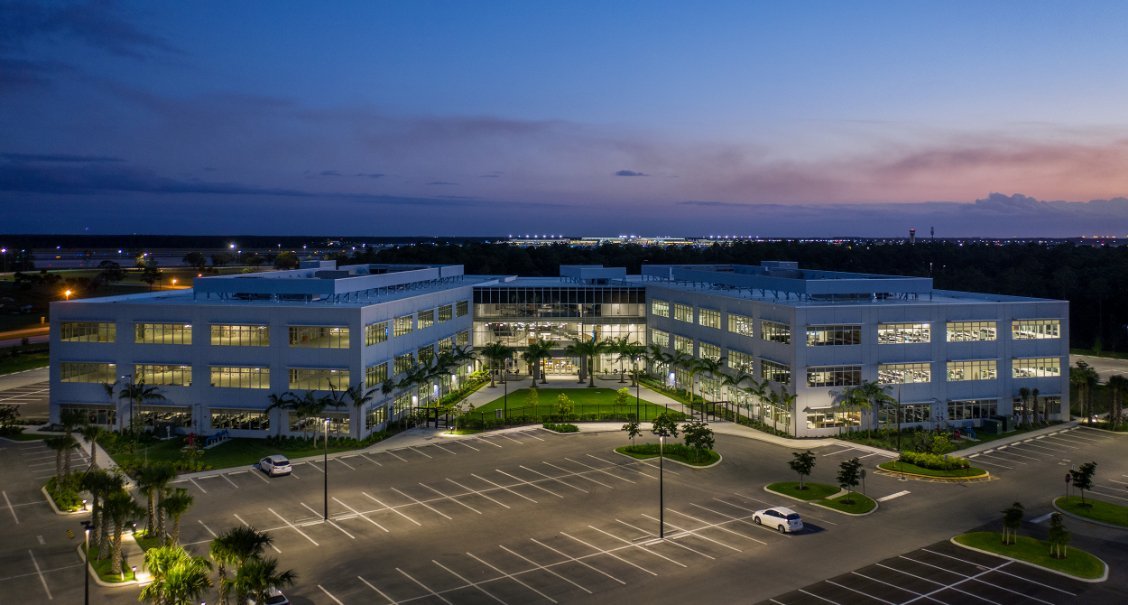
Gartner, Inc. is a leading research and advisory company with a significant presence in Fort Myers. Known for providing insights and tools to businesses worldwide, Gartner offers high-wage jobs and numerous opportunities for career advancement. For professionals in the tech and business sectors, Gartner is a top choice.
Gartner guides leaders who are transforming the world. Their mission is built on expert analysis, innovative ideas, and the courage to address the most critical priorities facing enterprises today. For those who are intellectually curious and driven to make a significant impact, Gartner offers an ideal environment to thrive and grow.
Hertz Global Holdings: Driving Careers Forward

Hertz, headquartered in nearby Estero, is a major player in the car rental industry. The company’s modern campus offers a range of employment opportunities in various fields, including corporate, customer service, and operational roles. Hertz’s relocation to the area has bolstered the local job market and provided a boost to the economy.
Living in Fort Myers: More Than Just Work
While employment opportunities are a major draw, Fort Myers offers much more. The city boasts beautiful beaches, a vibrant cultural scene, and numerous recreational activities. From the historic downtown area to the serene parks and nature preserves, there’s something for everyone. The local real estate market offers a variety of options, from waterfront properties to family-friendly neighborhoods, making it easy to find a home that suits your lifestyle.
Why Choose Fort Myers?
Choosing Fort Myers means embracing a community that values growth, innovation, and quality of life. With top employers offering stable and rewarding careers, excellent educational institutions, and a high standard of living, it’s no wonder so many people are making the move to this charming Gulf Coast city.
If you’re considering relocating to Fort Myers or looking to invest in real estate here, feel free to reach out. I’m here to help you navigate the local market and find the perfect home for your needs. Welcome to Fort Myers – where your next chapter begins!
Call me at 239-785-6986. I look forward to hearing from you! -Chad Damitz, Broker/Founder of AnchorPoint Real Estate
Common Mistakes First-Time Homebuyers Make and How to Avoid Them
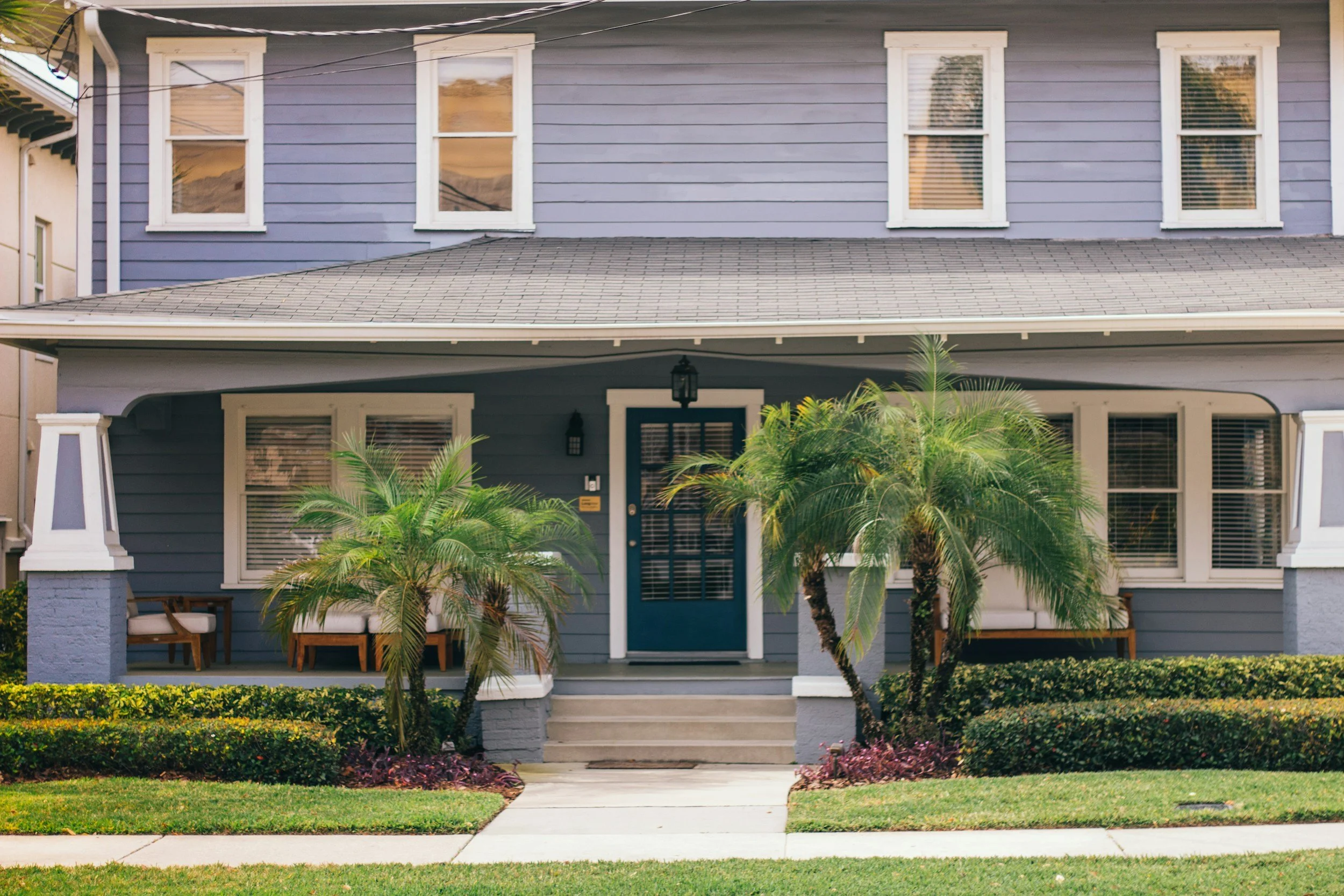
Buying your first home is an exciting milestone, but it can also be a daunting process filled with potential pitfalls. As a first-time homebuyer, it’s important to be aware of common mistakes that others have made so you can avoid them. Here’s a guide to some of the most frequent missteps and how to steer clear of them.

Buying your first home is an exciting milestone, but it can also be a daunting process filled with potential pitfalls. As a first-time homebuyer, it’s important to be aware of common mistakes that others have made so you can avoid them. Here’s a guide to some of the most frequent missteps and how to steer clear of them.
1. Not Getting Pre-Approved for a Mortgage
Mistake: Many first-time buyers start house hunting without knowing how much they can afford. This can lead to disappointment and wasted time looking at homes outside their budget.
How to Avoid It: Get pre-approved for a mortgage before you begin your search. This not only gives you a clear budget but also makes you a more attractive buyer to sellers. To get pre-approved, provide your lender with your financial information, including income, debt, and credit history.
2. Underestimating the Total Costs of Homeownership
Mistake: Focusing solely on the purchase price and mortgage payments, and forgetting about other costs such as property taxes, insurance, maintenance, and utilities.
How to Avoid It: Create a comprehensive budget that includes all potential expenses. Ask your real estate agent for a breakdown of typical costs in your desired area. Remember to factor in home maintenance and unexpected repairs.
3. Not Shopping Around for Mortgage Rates
Mistake: Accepting the first mortgage offer you receive without comparing rates and terms from different lenders.
How to Avoid It: Shop around and get quotes from multiple lenders. Even a small difference in interest rates can save you thousands of dollars over the life of your loan. Use online comparison tools and consider working with a mortgage broker.
4. Neglecting to Get a Home Inspection
Mistake: Skipping the home inspection to save money or because you’re eager to close the deal quickly.
How to Avoid It: Always get a professional home inspection. This can uncover hidden issues that might not be apparent during a regular viewing. An inspection can save you from costly repairs and provide leverage for negotiating the purchase price.
5. Making Major Financial Changes Before Closing
Mistake: Taking on new debt or making significant financial changes after applying for a mortgage but before closing on the home.
How to Avoid It: Keep your finances stable until after closing. Avoid opening new credit accounts, making large purchases, or changing jobs during this period. Lenders may re-check your credit and financial status before finalizing the loan.
6. Focusing Too Much on Aesthetics
Mistake: Getting swayed by cosmetic features like paint colors or decor, rather than focusing on the home's structure and location.
How to Avoid It: Look beyond the surface and consider the home’s potential. Focus on structural integrity, layout, and location. Cosmetic changes are often easy and inexpensive, while structural issues can be costly to fix.
7. Overextending Financially
Mistake: Stretching your budget too thin by buying the most expensive home you qualify for.
How to Avoid It: Set a realistic budget that leaves room for other financial goals and emergencies. Stick to your budget even if you qualify for a higher loan amount. Aim for a mortgage payment that is 25-30% of your monthly income.
8. Ignoring the Neighborhood
Mistake: Falling in love with a home but ignoring the surrounding neighborhood, amenities, and community.
How to Avoid It: Research the neighborhood thoroughly. Visit at different times of the day and week, check crime rates, and consider proximity to work, schools, and other amenities. Make sure the neighborhood aligns with your lifestyle and long-term plans.
9. Forgetting About Resale Value
Mistake: Focusing only on your immediate needs without considering the home's resale value.
How to Avoid It: Think long-term. Look for features that will appeal to future buyers, such as good school districts, safe neighborhoods, and easy access to amenities. Even if you plan to stay long-term, life circumstances can change, and a home with good resale value can be a better investment.
10. Letting Emotions Drive Decisions
Mistake: Making impulsive decisions based on emotional attachment to a home.
How to Avoid It: Stay rational and stick to your priorities and budget. Make a list of must-haves and deal-breakers before you start your search. Take your time and be prepared to walk away if a deal doesn’t meet your criteria.
Conclusion
By being aware of these common mistakes and taking steps to avoid them, you can make the home-buying process smoother and more successful. Remember to do your homework, stay within your budget, and seek professional advice when needed. Feel free to reach out to me at 239-785-6986 for any questions! Happy house hunting! -Chad Damitz, Broker/Owner of AnchorPoint Real Estate

Sanibel Island, Florida: A Haven of Fun and Real Estate Opportunities
Sanibel Island, Florida, is a captivating destination that combines natural beauty, recreational activities, and a vibrant real estate market. Nestled along the Gulf of Mexico, this barrier island offers a plethora of fun things to do that not only attract tourists but also create a unique appeal for potential homeowners and investors. Let’s dive into the exciting activities on Sanibel Island and explore how they intertwine with the island’s thriving real estate industry.

Sanibel Island, Florida, is a captivating destination that combines natural beauty, recreational activities, and a vibrant real estate market. Adjacent along the Gulf of Mexico, this barrier island offers a plethora of fun things to do that not only attract tourists but also create a unique appeal for potential homeowners and investors. Let’s dive into the exciting activities on Sanibel Island and explore how they intertwine with the island’s thriving real estate industry.
Fun Activities on Sanibel Island
1. Shelling Adventures

Sanibel Island is renowned for its shell-strewn beaches, making it a paradise for shell collectors. The island’s east-west orientation and the Gulf currents deposit an abundance of seashells on its shores. Visitors and residents alike engage in the “Sanibel Stoop,” a popular pastime of searching for exquisite shells.
Real Estate Insight: The allure of shelling enhances the island’s charm, making beachfront properties highly desirable. Homes with direct beach access or proximity to shell-rich beaches are often in high demand, appealing to those who cherish the island’s natural treasures.
2. Exploring Nature at J.N. "Ding" Darling National Wildlife Refuge
This expansive wildlife refuge offers a sanctuary for migratory birds, alligators, and diverse plant life. Visitors can enjoy birdwatching, kayaking, and scenic drives through the refuge’s lush landscapes.
Real Estate Insight: Proximity to natural reserves like the "Ding" Darling Wildlife Refuge boosts property values. Homes near these protected areas attract nature enthusiasts and eco-conscious buyers, contributing to a premium real estate market.
3. Biking Through Scenic Trails
Sanibel Island boasts over 25 miles of bike paths that wind through picturesque settings, including beaches, parks, and residential neighborhoods. Biking is a popular way to explore the island’s beauty and get some exercise.
Real Estate Insight: The extensive network of bike trails enhances the island’s livability. Properties along these trails are sought after for their accessibility to outdoor activities, making them attractive to active families and retirees alike.
4. Visiting the Sanibel Lighthouse and Fishing Pier

The historic Sanibel Lighthouse, built in 1884, is a significant landmark. The adjacent fishing pier is a favorite spot for both fishing enthusiasts and those looking to enjoy stunning Gulf views.
Real Estate Insight: Historical landmarks like the Sanibel Lighthouse add to the island’s charm, making nearby properties more appealing. Homes with views of the lighthouse or close proximity to such attractions are considered prime real estate.
5. Indulging in Local Cuisine
Sanibel Island offers a variety of dining options, from casual beachfront cafes to fine dining restaurants. Fresh seafood is a highlight, providing a delightful culinary experience for residents and visitors.
Real Estate Insight: The vibrant dining scene contributes to the island’s overall appeal, enhancing the lifestyle quality. Properties near popular dining spots or with easy access to the island’s culinary delights often see higher demand and property values.
The Real Estate Connection
Sanibel Island’s diverse range of activities and natural beauty directly influence its real estate market. The island’s unique blend of relaxation and adventure makes it an attractive destination for potential homeowners and investors. Here’s how the local real estate industry benefits:
High Demand for Vacation Homes: The island’s popularity as a tourist destination drives demand for vacation rentals and second homes. Investors seek properties that offer rental income potential, especially those near popular attractions and beaches.
Luxury Market Growth: The serene environment, coupled with high-end amenities, attracts affluent buyers. Luxury homes with beachfront views, private docks, and proximity to golf courses cater to this market segment, driving up property values.
Eco-Friendly Developments: With a strong focus on preserving natural beauty, there’s a growing trend towards eco-friendly and sustainable real estate developments. Properties that incorporate green building practices appeal to environmentally conscious buyers.
Community Appeal: Sanibel Island’s close-knit community and family-friendly atmosphere make it a desirable place to live. Homes in neighborhoods with good schools, parks, and recreational facilities attract families looking for a high quality of life.
Conclusion
Sanibel Island, Florida, is more than just a vacation spot; it’s a place where the joy of living and the excitement of adventure meet. From shelling on pristine beaches to exploring wildlife refuges and indulging in local cuisine, the island offers a plethora of activities that enhance its appeal. This, in turn, creates a dynamic real estate market where properties are highly sought after for their location, lifestyle, and investment potential. Whether you’re looking for a serene retreat, a family home, or a lucrative investment, Sanibel Island’s real estate market offers something for everyone, making it a true paradise on the Gulf Coast.
Fort Myers Real Estate Market 2024: An Analysis Compared to 2023
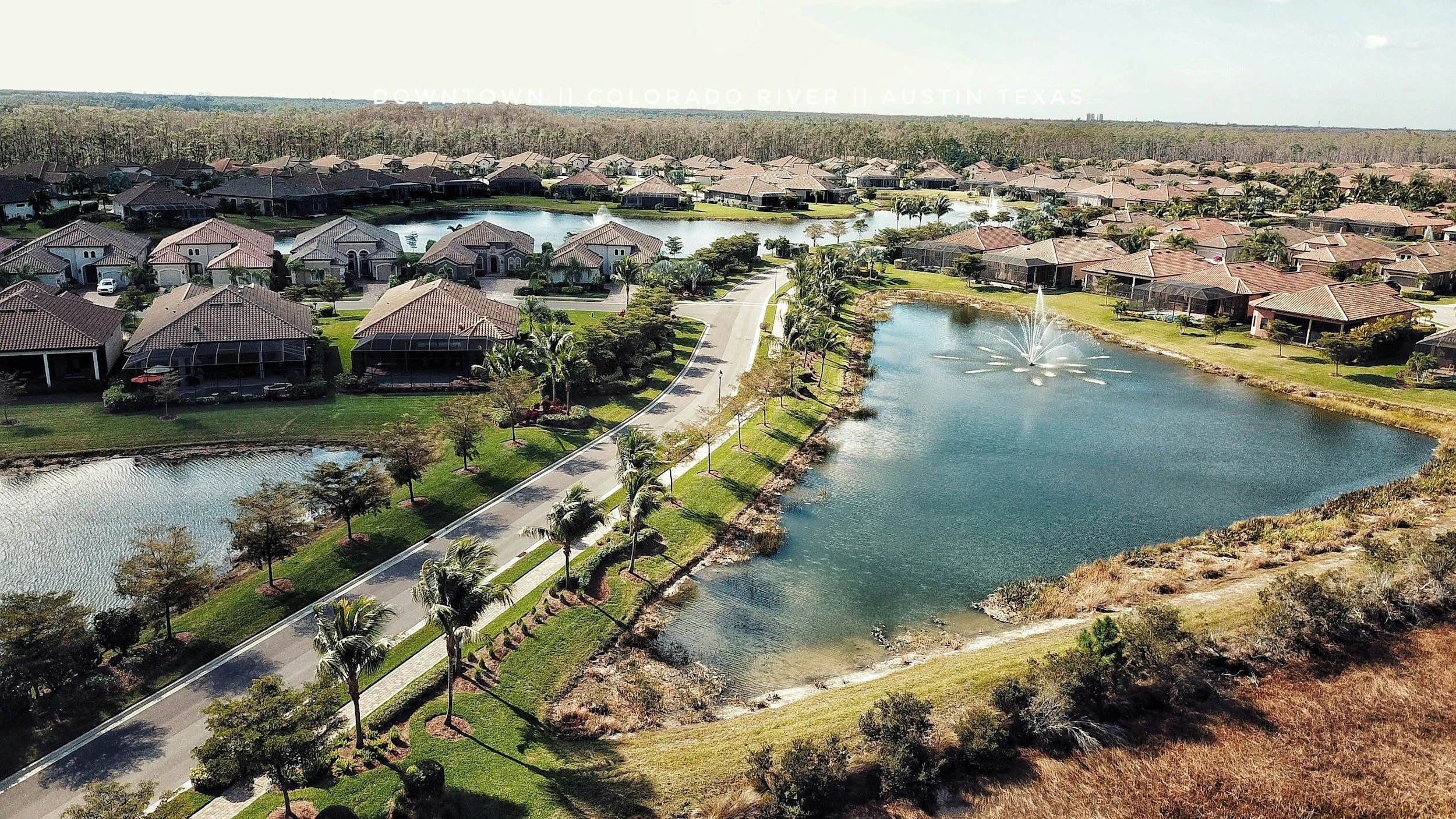
As we navigate through 2024, the real estate market in Fort Myers, Florida, has shown some notable shifts compared to 2023. By examining key metrics such as median sales prices, closed sales, days on market, list price received, sold price per square foot, new listings, and active inventory, we can gain valuable insights into the current state and trends of the market.
As we navigate through 2024, the real estate market in Fort Myers, Florida, has shown some notable shifts compared to 2023. By examining key metrics such as median sales prices, closed sales, days on market, list price received, sold price per square foot, new listings, and active inventory, we can gain valuable insights into the current state and trends of the market.

Median Sales Price
2023: $478,500
2024: $487,500
Year-over-Year Change: +1.9%
The median sales price has seen a modest increase of 1.9% from $478,500 in 2023 to $487,500 in 2024. This indicates a stable market with gradual appreciation in property values, reflecting continued demand for homes in Fort Myers.
Closed Sales
2023: 896
2024: 721
Year-over-Year Change: -19.5%
Closed sales have dropped significantly by 19.5%, from 896 in 2023 to 721 in 2024. This decline suggests a cooling market, potentially due to higher interest rates, affordability issues, or shifting buyer preferences.
Median Days on Market
2023: 17 days
2024: 44 days
Year-over-Year Change: +158.8%
The median days on market have surged from 17 days in 2023 to 44 days in 2024, an increase of 158.8%. Homes are taking much longer to sell, which could indicate a shift towards a buyer’s market where sellers may need to adjust prices or offer incentives to attract buyers.
List Price Received
2023: 96.4%
2024: 96.0%
Year-over-Year Change: -0.4%
The percentage of list price received has slightly decreased from 96.4% to 96.0%. This small dip suggests that sellers are still receiving near their asking prices, but there is a slight softening in negotiation power.
Sold Price per Square Foot
2023: $255
2024: $261
Year-over-Year Change: +2.4%
The sold price per square foot has increased by 2.4%, from $255 to $261. This rise indicates that the cost of housing on a per-square-foot basis is climbing, contributing to the overall increase in median sales prices.
New Listings
2023: 1,286
2024: 1,341
Year-over-Year Change: +4.3%
New listings have gone up by 4.3%, from 1,286 in 2023 to 1,341 in 2024. This increase in inventory provides more options for buyers and could help balance the market if demand keeps pace.
Overall Market Trends
Price Appreciation: The market shows modest price appreciation, indicating sustained demand.
Slower Sales: A significant drop in closed sales and longer days on market suggest the market is cooling, with properties taking longer to sell.
Stable Pricing: Despite the slower sales, the list price received remains relatively stable, showing sellers are still getting close to their asking prices.
Increased Inventory: More new listings and potential increases in active inventory suggest growing supply, which could help ease pricing pressures if demand doesn't outpace supply.
Conclusion
The Fort Myers real estate market in 2024 shows signs of stabilization with modest price increases and a longer time to sell homes. While the market is cooling compared to 2023, with fewer closed sales and longer median days on market, the stable list price received and rising price per square foot indicate that property values remain strong. Increased new listings may lead to more balanced conditions, potentially benefiting buyers with more choices and sellers with sustained, albeit slower, market activity.
For both buyers and sellers, understanding these trends is crucial. Buyers might find more opportunities and negotiation power, while sellers need to be mindful of pricing strategies and market conditions to attract buyers. As always, consulting with a local real estate professional can provide personalized insights tailored to your specific needs and goals.
If you have any questions, please reach out to me at 239-785-6986. I look forward to hearing from you! -Chad Damitz, Broker/Founder of Anchorpoint Real Estate

5 Reasons Why Hiring a Property Management Company Benefits Your Real Estate Investments
Investing in real estate can be incredibly rewarding, but it also comes with its fair share of challenges and responsibilities. Managing properties can be time-consuming and requires a broad skill set, from handling tenant issues to maintaining the property and ensuring compliance with local laws. This is where hiring a property management company can make a significant difference. Here are five compelling reasons why engaging a professional property management company benefits your real estate investments.
Investing in real estate can be incredibly rewarding, but it also comes with its fair share of challenges and responsibilities. Managing properties can be time-consuming and requires a broad skill set, from handling tenant issues to maintaining the property and ensuring compliance with local laws. This is where hiring a property management company can make a significant difference. Here are five compelling reasons why engaging a professional property management company benefits your real estate investments.

1. Expert Tenant Management
One of the most critical aspects of property management is dealing with tenants. A property management company brings expertise in tenant screening, ensuring that only reliable and responsible individuals occupy your property. They handle tenant issues, complaints, and conflicts, reducing your involvement in day-to-day management. This professional approach not only keeps tenants satisfied but also helps in maintaining a stable rental income by minimizing vacancies and turnover rates.
2. Efficient Rent Collection and Financial Management
Consistent and timely rent collection is essential for maintaining cash flow in your real estate investment. Property management companies implement robust rent collection systems, making it easier to collect payments on time. They also handle financial reporting, providing you with detailed statements and insights into your property's financial performance. This transparency and efficiency ensure you have a clear understanding of your investment's profitability without getting bogged down in administrative tasks.
3. Effective Property Maintenance
Maintaining a property involves regular inspections, timely repairs, and addressing maintenance issues promptly. Property management companies have established networks of contractors and maintenance professionals who provide quality services at competitive rates. They conduct regular property inspections to identify potential problems before they escalate, ensuring your property remains in excellent condition. This proactive approach not only preserves the value of your investment but also keeps tenants happy, leading to higher retention rates.

4. Legal Expertise and Compliance
Navigating the legal landscape of real estate can be complex and daunting. Property management companies possess in-depth knowledge of local, state, and federal regulations, ensuring that your property complies with all applicable laws. They handle lease agreements, eviction processes, and other legal matters, protecting you from potential legal issues and financial liabilities. Their expertise minimizes risks and ensures that your investment operates within the legal framework, giving you peace of mind.
5. Time and Stress Savings

Managing a property, especially multiple ones, can be time-consuming and stressful. By hiring a property management company, you free up your time to focus on other important aspects of your life or business. These professionals take care of all the day-to-day responsibilities, from handling emergencies to managing tenant communications. This delegation not only reduces stress but also allows you to focus on growing your investment portfolio rather than being caught up in the minutiae of property management.
Conclusion
Engaging a property management company offers numerous benefits that can significantly enhance your real estate investment experience. From expert tenant management and efficient rent collection to effective property maintenance and legal compliance, their services ensure your property is well-managed and profitable. Most importantly, they save you time and reduce stress, allowing you to focus on expanding your investments and enjoying the rewards of your real estate endeavors. If you want to maximize the potential of your real estate investments while minimizing hassle, hiring a property management company is a wise and strategic choice.
If you have any real estate questions, please reach out to me at 239-785-6986. I look forward to hearing from you! -Chad Damitz, Founder/Broker of AnchorPoint Real Estate.

Buy or Rent? A Financial Guide to Deciding Your Housing Future
Deciding whether to buy or rent a home is one of the most significant financial decisions you'll make in your lifetime. Both options have their advantages and disadvantages, and what might be right for one person could be entirely different for another. To help you make an informed decision, let's explore the financial pros and cons of both buying and renting a home.
Deciding whether to buy or rent a home is one of the most significant financial decisions you'll make in your lifetime. Both options have their advantages and disadvantages, and what might be right for one person could be entirely different for another. To help you make an informed decision, let's explore the financial pros and cons of both buying and renting a home.

Buying a Home: Pros and Cons
Pros
Equity Building: When you buy a home, your monthly mortgage payments build equity over time. This means you are essentially investing in an asset that can appreciate in value.
Stability: Homeownership provides stability. You won’t have to worry about rent increases or a landlord deciding to sell the property.
Tax Benefits: Homeowners can benefit from tax deductions on mortgage interest and property taxes, potentially lowering overall tax liabilities.
Customization: Owning a home gives you the freedom to renovate, decorate, and make changes to suit your lifestyle without needing a landlord's approval.
Investment Potential: Over time, real estate generally appreciates in value. This means that your home could increase in value, providing a return on investment if you decide to sell.
Cons
High Upfront Costs: Buying a home requires a significant upfront investment, including the down payment, closing costs, and other fees associated with purchasing a property.
Maintenance Costs: Homeowners are responsible for all maintenance and repair costs, which can add up over time.
Market Risk: The value of real estate can fluctuate. There’s no guarantee that your home will appreciate in value, and it could depreciate, especially in a market downturn.
Reduced Flexibility: Owning a home can reduce your flexibility to move quickly. Selling a property can take time and may not align with your timeline if you need to relocate.
Renting a Home: Pros and Cons
Pros
Lower Upfront Costs: Renting typically requires a smaller upfront financial commitment—usually just a security deposit and the first month’s rent.
Flexibility: Renting provides more flexibility to move, whether for a job, lifestyle change, or personal preference. Lease agreements are usually shorter term and easier to terminate.
No Maintenance Costs: Renters are generally not responsible for maintenance and repair costs, as these are typically covered by the landlord.
Financial Predictability: Monthly rent payments are predictable and don't include unexpected expenses like major repairs or property taxes.
Cons
No Equity Building: Rent payments do not contribute to building equity. Over time, you do not gain ownership of any property.
Potential Rent Increases: Rent can increase over time, sometimes significantly, depending on market conditions and lease agreements.
Limited Control: Renters have limited control over the property. Any modifications or significant changes usually require landlord approval.
Lack of Stability: Renting can be less stable, as landlords may decide to sell the property, not renew leases, or increase rents, leading to potential relocations.
Financial Considerations
When deciding whether to buy or rent, consider the following financial factors:
Long-Term Goals: Evaluate your long-term goals. If you plan to stay in one place for several years, buying might be more financially advantageous. If you anticipate moving frequently, renting offers greater flexibility.
Market Conditions: Analyze the real estate market in your area. In some markets, renting might be more cost-effective due to high property prices or slow appreciation rates.
Financial Health: Assess your financial health, including savings, credit score, and debt. Buying a home requires a good credit score and a stable income to secure a mortgage at favorable terms.
Investment Opportunities: Consider other investment opportunities. The funds used for a down payment and homeownership costs could potentially yield higher returns if invested elsewhere.
Conclusion
The decision to buy or rent a home ultimately depends on your personal circumstances, financial situation, and long-term goals. Buying a home offers the potential for equity building, stability, and tax benefits but requires significant upfront costs and long-term commitment. Renting provides flexibility, lower upfront costs, and freedom from maintenance expenses but lacks the ability to build equity and offers less stability.
Evaluate your financial health, lifestyle preferences, and market conditions to make the best decision for your unique situation. Whether you choose to buy or rent, ensuring it aligns with your financial goals and personal needs is the key to making a smart and informed housing decision.
If you have any questions, feel free to reach out to me at 239-785-6986. I look forward to hearing from you! -Chad Damitz, Broker/Founder of Anchorpoint Real Estate

Top Cities for Commercial Real Estate Investment in 2024
As we move into 2024, the commercial real estate market continues to evolve, shaped by economic trends, technological advancements, and changing business needs. Investors looking to capitalize on these dynamics must carefully consider where to place their bets. Here, we explore some of the top cities for commercial real estate investment in 2024, each offering unique opportunities and growth potential.
As we move into 2024, the commercial real estate market continues to evolve, shaped by economic trends, technological advancements, and changing business needs. Investors looking to capitalize on these dynamics must carefully consider where to place their bets. Here, we explore some of the top cities for commercial real estate investment in 2024, each offering unique opportunities and growth potential.

1. Austin, Texas
Why Invest:
Tech Hub: Austin's reputation as a burgeoning tech hub makes it a magnet for tech companies and startups, driving demand for office spaces.
Population Growth: A steady influx of new residents, attracted by the city’s vibrant culture and strong job market, fuels demand for commercial spaces.
Business-Friendly Environment: Texas' favorable tax policies and regulatory environment are attractive to businesses.
Key Sectors:
Office spaces
Retail properties
Industrial and logistics
2. Nashville, Tennessee
Why Invest:
Healthcare and Education: Nashville’s strong healthcare and education sectors provide a stable economic foundation.
Cultural Appeal: Known for its music scene and cultural vibrancy, Nashville attracts businesses and tourists alike, boosting retail and hospitality real estate.
Growth and Development: Significant investments in infrastructure and development projects enhance its commercial real estate appeal.
Key Sectors:
Medical offices
Hospitality and retail
Mixed-use developments
3. Charlotte, North Carolina

Why Invest:
Financial Hub: As a major financial center, Charlotte is home to numerous banks and financial institutions, creating strong demand for office space.
Affordability: Lower living and business costs compared to other major cities make it attractive for companies and investors.
Transportation and Logistics: Charlotte's strategic location and robust transportation infrastructure support industrial real estate growth.
Key Sectors:
Office spaces
Industrial and logistics
Mixed-use developments
4. Seattle, Washington

Why Invest:
Tech Industry: Seattle’s thriving tech industry, anchored by giants like Amazon and Microsoft, continues to drive commercial real estate demand.
Strong Economy: A diverse economy with strengths in technology, healthcare, and manufacturing supports long-term investment stability.
Sustainability Focus: Seattle’s commitment to sustainability and green building practices attracts eco-conscious businesses and investors.
Key Sectors:
Office spaces
Technology parks
Green buildings
5. Phoenix, Arizona

Why Invest:
Population Growth: Phoenix is experiencing rapid population growth, leading to increased demand for commercial spaces.
Affordable Living: Lower cost of living compared to other major cities attracts both businesses and residents.
Diverse Economy: A diversified economy with strengths in real estate, finance, manufacturing, and healthcare supports robust commercial real estate opportunities.
Key Sectors:
Office spaces
Industrial and logistics
Retail properties
6. Miami, Florida

Why Invest:
International Gateway: Miami’s status as an international gateway, particularly to Latin America, drives demand for commercial real estate.
Tourism and Hospitality: A world-renowned tourist destination, Miami offers significant opportunities in the hospitality and retail sectors.
Economic Growth: Continuous economic growth and development projects enhance its appeal to investors.
Key Sectors:
Hospitality and retail
Office spaces
Mixed-use developments
7. Denver, Colorado

Why Invest:
Outdoor Lifestyle: Denver’s appeal as a hub for outdoor activities attracts businesses and young professionals, boosting commercial real estate demand.
Economic Stability: A strong and diversified economy, with key sectors including technology, aerospace, and healthcare.
Innovation Hub: Growing reputation as an innovation and startup hub drives demand for flexible office spaces and co-working environments.
Key Sectors:
Office spaces
Industrial and logistics
Mixed-use developments
Conclusion
Investing in commercial real estate requires careful consideration of various factors, including economic stability, growth potential, and market trends. The cities highlighted here—Austin, Nashville, Charlotte, Seattle, Phoenix, Miami, and Denver—each offer unique opportunities for investors in 2024. By staying informed and strategically targeting these high-potential markets, investors can position themselves to capitalize on the evolving commercial real estate landscape.
For more insights and updates on commercial real estate trends and opportunities, stay tuned to our blog.
Discovering Marco Island: A Guide to Its Charming Neighborhoods
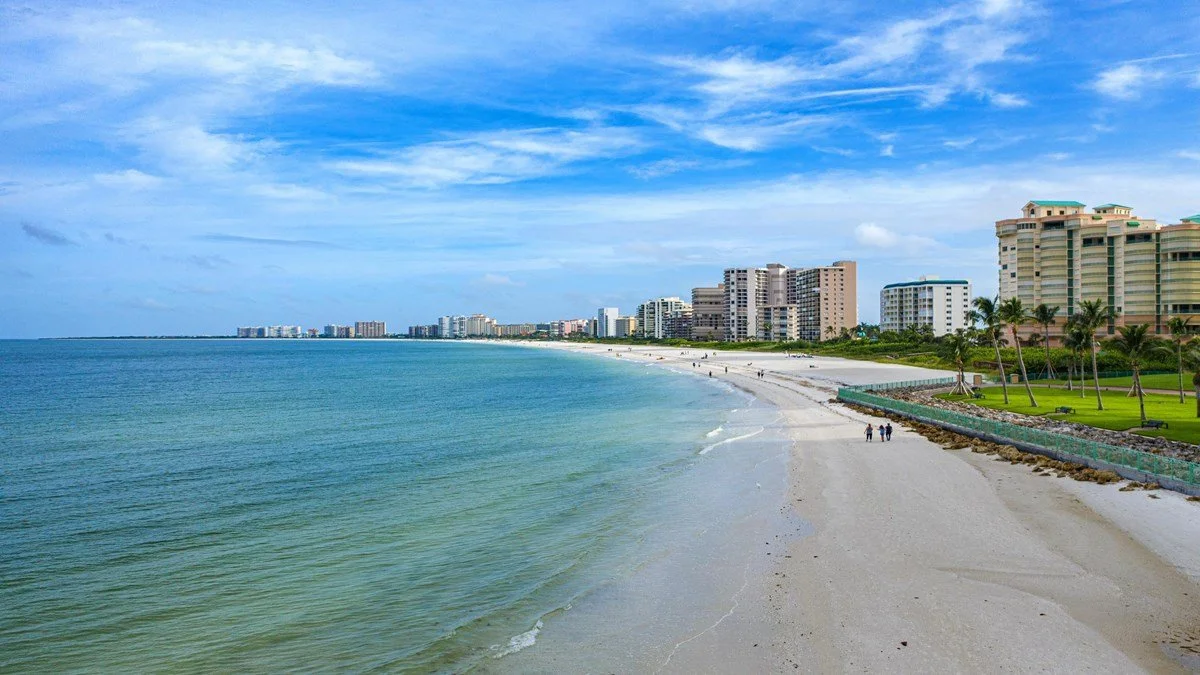
Located in the Gulf of Mexico, Marco Island, Florida, is renowned for its stunning beaches, luxurious resorts, and serene natural beauty. This tropical paradise is not only a top vacation destination but also an attractive place to call home. Whether you're looking to move to Marco Island or just curious about its diverse neighborhoods, here's a guide to some of the most charming areas on the island.

Located in the Gulf of Mexico, Marco Island, Florida, is renowned for its stunning beaches, luxurious resorts, and serene natural beauty. This tropical paradise is not only a top vacation destination but also an attractive place to call home. Whether you're looking to move to Marco Island or just curious about its diverse neighborhoods, here's a guide to some of the most charming areas on the island.
1. Tigertail Beach
Tigertail Beach is a haven for nature lovers and those seeking a tranquil beachside lifestyle.
Beach Access: This neighborhood offers direct access to one of Marco Island’s most popular beaches, known for its pristine sand and tidal lagoon.
Wildlife: It's a great spot for bird watching, with various species inhabiting the area.
Outdoor Activities: Residents enjoy kayaking, paddleboarding, and exploring the unique shell-strewn shores.
2. Hideaway Beach
Hideaway Beach is an exclusive, gated community that offers luxury and privacy.
Amenities: The neighborhood features a private beach club, golf course, tennis courts, and a fitness center.
Natural Beauty: With over 300 acres of preserved land, it offers walking and biking trails through lush landscapes.
Luxury Homes: Properties here range from elegant condos to sprawling beachfront estates, all with stunning Gulf views.
3. Old Marco
Old Marco is the historic heart of the island, offering a mix of old Florida charm and modern conveniences.
Historic Sites: This neighborhood is rich in history, with several preserved buildings and sites.
Dining and Shopping: Residents and visitors enjoy a variety of quaint shops, cafes, and waterfront restaurants.
Community Feel: The area maintains a close-knit community vibe, perfect for those seeking a friendly, small-town atmosphere.
4. South End
The South End of Marco Island is known for its convenient access to both the Gulf and the island’s amenities.
Boating: With numerous canals and easy access to Caxambas Pass, it's ideal for boating enthusiasts.
Beaches: Residents can easily reach South Beach, one of the island’s most beautiful spots for sunbathing and swimming.
Vacation Homes: This area features a mix of permanent residences and vacation rentals, making it lively year-round.
5. Cape Marco
Cape Marco is a luxurious gated community located at the southern tip of the island.
High-Rise Living: This neighborhood is known for its upscale condominiums, offering panoramic views of the Gulf.
Resort-Style Amenities: Residents enjoy amenities such as a private beach, swimming pools, tennis courts, and a fitness center.
Exclusive Lifestyle: Cape Marco provides a serene, high-end living environment with top-notch security and privacy.
6. Estates Area
The Estates area is one of Marco Island's most prestigious neighborhoods, featuring grand homes on spacious lots.
Luxury Properties: This area is known for its large, custom-built homes, many of which are situated on waterfront lots.
Privacy and Space: Residents enjoy expansive properties with ample privacy and beautiful landscaping.
Gulf Access: Boaters appreciate the deep-water access, perfect for larger vessels and yachts.
7. The River Area
The River Area offers a mix of residential options, from single-family homes to luxurious estates, all with picturesque river views.
Waterfront Living: Many homes have direct access to the Marco River, providing beautiful water views and boating opportunities.
Family-Friendly: This neighborhood is popular with families, thanks to its peaceful streets and proximity to schools and parks.
Recreation: Residents can enjoy fishing, boating, and watching dolphins and manatees from their backyards.
Conclusion
Marco Island is a gem in Southwest Florida, offering a variety of neighborhoods that cater to different lifestyles and preferences. Whether you're drawn to the historic charm of Old Marco, the luxury of Hideaway Beach, or the boating opportunities in the South End, there's a perfect spot for everyone on this beautiful island. Explore these neighborhoods to find your dream home and enjoy the idyllic island life that Marco Island has to offer.
If you want to check out any of these amazing beachfront properties, feel free to give me a call at 239-785-6986. I look forward to hearing from you! -Chad Damitz, Founder & Broker of AnchorPoint Real Estate

How Economic Factors Impact the Commercial Real Estate Market in Southwest Florida
The commercial real estate market in Southwest Florida is influenced by a myriad of economic factors, with interest rates and inflation being two of the most critical. These elements play a significant role in shaping market dynamics, affecting everything from property values to investment returns. In this blog, we’ll delve into how interest rates and inflation impact the commercial real estate landscape in this region.

The commercial real estate market in Southwest Florida is influenced by a myriad of economic factors, with interest rates and inflation being two of the most critical. These elements play a significant role in shaping market dynamics, affecting everything from property values to investment returns. In this blog, we’ll delve into how interest rates and inflation impact the commercial real estate landscape in this region.
Interest Rates and Their Impact
1. Cost of Financing:
Higher Interest Rates: When interest rates rise, the cost of borrowing increases. This makes financing commercial real estate projects more expensive, leading to higher monthly mortgage payments for investors and developers. Consequently, this can reduce the overall demand for commercial properties as potential buyers may find it more challenging to secure affordable loans.
Lower Interest Rates: Conversely, lower interest rates decrease the cost of borrowing, making it easier for investors to finance new projects or refinance existing loans. This can stimulate demand for commercial properties, leading to increased transaction volumes and potentially higher property values.
2. Investment Returns:
Capitalization Rates (Cap Rates): Interest rates are closely tied to cap rates, which are used to assess the potential return on investment in commercial real estate. Higher interest rates generally lead to higher cap rates, which can decrease property values. Lower interest rates typically result in lower cap rates, which can drive up property values and investment returns.
3. Market Sentiment:
Investor Confidence: Interest rate trends can significantly impact investor confidence. In a rising interest rate environment, investors might become more cautious, leading to reduced activity in the commercial real estate market. On the other hand, stable or declining interest rates can boost investor confidence, encouraging more investment and development in the region.
Inflation and Its Impact
1. Property Values and Rents:
Appreciation: Inflation generally leads to higher property values as the cost of construction materials and labor increases. For existing commercial properties, this can result in appreciation, benefiting property owners.
Rent Increases: Inflation often drives up rents as property owners seek to maintain their profit margins in the face of rising operating costs. This can be advantageous for property owners but may pose challenges for tenants facing higher rental expenses.
2. Operating Costs:
Increased Expenses: Inflation leads to higher operating costs for commercial properties, including maintenance, utilities, and property management fees. Property owners may need to adjust their budgets and strategies to manage these rising costs effectively.
Impact on Net Operating Income (NOI): Higher operating costs can affect a property’s NOI, which is a crucial metric for evaluating its financial performance. Maintaining a healthy NOI amidst rising costs requires effective cost management and the ability to pass on some of these expenses to tenants through higher rents.
3. Investment Strategies:
Hedge Against Inflation: Commercial real estate is often considered a good hedge against inflation. As property values and rents typically increase with inflation, investors can preserve or even enhance their purchasing power over time. This makes commercial real estate an attractive option for investors seeking to protect their wealth from inflationary pressures.
Long-Term Leases: In an inflationary environment, long-term leases with fixed rental rates can become less favorable for property owners. To mitigate this, landlords may prefer shorter lease terms or include escalation clauses that adjust rents based on inflation rates.
Specific Impacts in Southwest Florida
1. Population Growth:
Demand Surge: Southwest Florida has been experiencing significant population growth, driven by factors such as a favorable climate, attractive lifestyle, and economic opportunities. This population surge increases demand for commercial real estate, including retail, office, and industrial spaces. Rising interest rates may moderate this demand, but strong underlying population growth can help sustain market activity.
2. Tourism and Hospitality:
Vulnerable Sector: The region’s tourism and hospitality sectors are particularly sensitive to economic factors. Higher interest rates can dampen tourism-related investments, while inflation can increase operational costs for hotels and restaurants. However, robust tourism demand can offset some of these pressures, supporting sustained investment in hospitality-related properties.
3. Retirement and Healthcare:
Healthcare Demand: Southwest Florida’s appeal as a retirement destination boosts demand for healthcare facilities. Inflation can increase construction and operational costs for these facilities, but the growing retiree population ensures continued demand, making healthcare real estate a resilient investment option.
Conclusion
Interest rates and inflation are pivotal economic factors that influence the commercial real estate market in Southwest Florida. While rising interest rates can increase financing costs and potentially slow down market activity, lower rates can stimulate demand and investment. Inflation, on the other hand, can drive up property values and rents, but also increase operating costs.
For investors and property owners in Southwest Florida, understanding these dynamics is crucial for making informed decisions. By staying attuned to economic trends and adopting strategies that mitigate risks while capitalizing on opportunities, stakeholders can navigate the complexities of the commercial real estate market and achieve long-term success.
If you have any questions about the real estate market, feel free to give me a call at 239-785-6986. I look forward to hearing from you!

10 Tips for Selling Your Home Quickly in Any Market
Selling your home quickly, regardless of the market conditions, can be a daunting task. However, with the right strategies and preparation, you can make your home appealing to buyers and expedite the sale process. Here are ten tips to help you sell your home quickly in any market.

Selling your home quickly, regardless of the market conditions, can be a daunting task. However, with the right strategies and preparation, you can make your home appealing to buyers and expedite the sale process. Here are ten tips to help you sell your home quickly in any market.
1. Price It Right from the Start
Setting the right price for your home is crucial. Overpricing can deter potential buyers, while underpricing can lead to a quick sale but at a lower profit.
Market Analysis: Conduct a comparative market analysis (CMA) to understand the prices of similar homes in your area.
Competitive Pricing: Price your home competitively to attract more interest and offers.
2. Enhance Curb Appeal

First impressions matter. Ensure the exterior of your home is inviting and well-maintained.
Landscaping: Keep the lawn mowed, hedges trimmed, and flower beds weeded. Add potted plants or flowers to the entrance.
Front Door: Repaint or replace the front door if necessary, and make sure all hardware is polished and in good condition.
3. Declutter and Depersonalize
Potential buyers need to envision themselves living in your home. A cluttered and personalized space can make this difficult.
Declutter: Remove excess furniture, knick-knacks, and personal items that make rooms feel crowded.
Depersonalize: Take down family photos, personal collections, and any items specific to your taste.
4. Make Necessary Repairs

Fixing minor issues can make a significant difference in how buyers perceive your home.
Repairs: Address any visible problems such as leaky faucets, cracked tiles, or peeling paint.
Upgrades: Consider small upgrades like new light fixtures, fresh paint, or modern hardware to enhance appeal.
5. Stage Your Home
Staging helps buyers visualize the potential of your home.
Professional Staging: Hire a professional stager if possible. They know how to highlight your home’s best features.
DIY Staging: If hiring a professional isn’t an option, focus on arranging furniture to create a welcoming, functional space.
6. Maximize Natural Light
Bright, well-lit homes are more inviting.
Window Treatments: Use light, sheer curtains or blinds that can be easily opened. Avoid heavy drapes.
Clean Windows: Ensure windows are clean inside and out to maximize the light coming in.
7. Use High-Quality Photos and Videos
In today’s digital age, the first impression of your home is often online.
Professional Photography: Hire a professional photographer to take high-quality photos and videos of your home.
Virtual Tours: Consider creating a virtual tour to give potential buyers a detailed look at your home.
8. Market Effectively

Reaching the right audience is key to selling quickly.
Online Listings: List your home on major real estate websites like Zillow, Realtor.com, and Trulia.
Social Media: Use social media platforms to promote your home. Share your listing with friends, family, and local groups.
Open Houses: Host open houses to attract potential buyers and create buzz.
9. Work with a Top Real Estate Agent
An experienced real estate agent can make a significant difference in how quickly your home sells.
Agent Selection: Choose an agent with a proven track record in your area. Look at their sales history and client reviews.
Marketing Plan: Ensure they have a comprehensive marketing plan to promote your home effectively.
10. Be Flexible with Showings
Being accommodating to potential buyers can speed up the sale process.
Availability: Make your home available for showings at different times, including evenings and weekends.
Short Notice: Be prepared for last-minute showings. The more accessible your home is, the more potential buyers can see it.
Conclusion
Selling your home quickly requires strategic planning and execution. By pricing it right, enhancing curb appeal, decluttering, making necessary repairs, staging, maximizing natural light, using high-quality photos and videos, marketing effectively, working with a top real estate agent, and being flexible with showings, you can significantly increase your chances of a fast sale. Whether you're in a buyer's or seller's market, these tips will help you achieve your goal of selling your home quickly and efficiently.
Reach out with any questions to 239-785-6986.

How to Stage Your Home for Maximum Impact in Southwest Florida
Staging your home effectively can make a significant difference in how quickly it sells and the price it fetches. In Southwest Florida, where the real estate market is vibrant and competitive, staging is even more crucial. Here are some tips and ideas to help you stage your home for maximum impact.

Staging your home effectively can make a significant difference in how quickly it sells and the price it fetches. In Southwest Florida, where the real estate market is vibrant and competitive, staging is even more crucial. Here are some tips and ideas to help you stage your home for maximum impact.
1. Embrace Coastal Themes
Southwest Florida is known for its beautiful beaches and relaxed coastal lifestyle. Use this to your advantage by incorporating coastal themes into your home staging. Think light, airy colors, and natural textures.
Color Palette: Opt for soft blues, sandy beiges, and crisp whites to create a calming, beach-inspired ambiance.
Decor: Use nautical elements like seashells, driftwood, and beach-themed artwork to enhance the coastal vibe.

2. Enhance Curb Appeal
First impressions are crucial, so make sure the exterior of your home is inviting and well-maintained.
Landscaping: Keep the lawn mowed, hedges trimmed, and flower beds fresh. Consider adding potted plants or colorful flowers to create a welcoming entrance.
Front Door: Repaint the front door in a cheerful, inviting color and ensure all hardware is polished and in good condition.
3. Maximize Natural Light
Southwest Florida is blessed with abundant sunshine. Make the most of this natural asset by ensuring your home is bright and airy.
Window Treatments: Use sheer curtains or blinds that can be easily opened to let in natural light. Avoid heavy drapes that can make rooms feel dark and closed off.
Clean Windows: Ensure windows are spotless inside and out to maximize the light coming into the home.
4. Declutter and Depersonalize
Potential buyers need to envision themselves living in your home, which can be difficult if it's filled with personal items and clutter.
Declutter: Remove excess furniture, knick-knacks, and any items that make rooms feel cramped or crowded.
Depersonalize: Take down family photos, personal collections, and any items that are very specific to your taste.
5. Highlight Outdoor Spaces

In Southwest Florida, outdoor living is a big selling point. Make sure your outdoor spaces are inviting and functional.
Patio Furniture: Arrange patio furniture to create comfortable seating areas. Add some colorful cushions and outdoor rugs to make the space more appealing.
Pool Area: If you have a pool, keep it clean and well-maintained. Set up lounge chairs with fresh towels and an umbrella for shade.
6. Create a Neutral Canvas
While a coastal theme can enhance the appeal, it's essential to keep the overall decor neutral enough to appeal to a wide range of buyers.
Neutral Colors: Stick to neutral colors for walls, large furniture pieces, and flooring. This helps potential buyers imagine their own belongings in the space.
Simple Decor: Use simple, tasteful decor items that add style without overwhelming the senses.
7. Stage Key Rooms

Focus on staging the most important rooms that buyers will pay the most attention to.
Living Room: Arrange furniture to create a cozy, conversational space. Add some throw pillows and a soft blanket for a touch of comfort.
Kitchen: Clear countertops of all but a few decorative items, such as a bowl of fresh fruit or a vase of flowers. Make sure the kitchen is spotless and smells fresh.
Master Bedroom: Create a serene, retreat-like atmosphere with soft bedding, matching nightstands, and tasteful artwork.
8. Pay Attention to Details

Small touches can make a big difference in the overall feel of your home.
Fresh Flowers: Place fresh flowers in key areas like the dining room table, living room, and entryway to add a touch of elegance and life.
Scents: Use subtle, pleasant scents such as vanilla or citrus. Avoid overpowering fragrances that might not appeal to everyone.
Conclusion
Staging your home in Southwest Florida with these tips can create a welcoming, attractive environment that appeals to potential buyers. By highlighting the coastal charm, maximizing natural light, and ensuring every space is clean and inviting, you can make a lasting impression and help your home stand out in the competitive market.
If you would like tips on how to get your home prepared for the market, give me a call at 239-785-6986. I look forward to hearing from you! -Chad Damitz, Founder & Broker of AnchorPoint Real Estate

The Pros and Cons of Buying a Fixer-Upper in Fort Myers, Florida
Are you considering buying a fixer-upper in Fort Myers, Florida? This charming city offers beautiful beaches, a vibrant community, and a variety of real estate opportunities. However, purchasing a fixer-upper comes with its own set of advantages and challenges. Let's explore the pros and cons to help you make an informed decision.

The Pros and Cons of Buying a Fixer-Upper in Fort Myers, Florida
Are you considering buying a fixer-upper in Fort Myers, Florida? This charming city offers beautiful beaches, a vibrant community, and a variety of real estate opportunities. However, purchasing a fixer-upper comes with its own set of advantages and challenges. Let's explore the pros and cons to help you make an informed decision.
Pros
Lower Purchase Price
Affordability: One of the most significant benefits of buying a fixer-upper is the lower purchase price. These properties are generally priced below market value, making homeownership more accessible, especially in a desirable location like Fort Myers.
Investment Potential: The initial lower cost can lead to a higher return on investment (ROI) once renovations are completed. By improving the property, you can increase its value significantly.
Customization Opportunities
Personal Touch: Fixer-uppers provide a unique opportunity to customize the home to your preferences. From choosing paint colors and flooring to redesigning the layout, you have the freedom to create a space that truly reflects your style.
Modern Upgrades: You can incorporate modern upgrades and energy-efficient features during the renovation process, which can save you money in the long run and make your home more appealing to future buyers.
Less Competition
Fewer Buyers: Move-in-ready homes often attract more buyers, leading to bidding wars and higher prices. Fixer-uppers usually have less competition, giving you a better chance to negotiate a good deal.
Negotiation Power: With fewer interested buyers, you may have more leverage in negotiating the purchase price and terms with the seller.
Cons
Unexpected Costs
Hidden Issues: Fixer-uppers can come with hidden problems that may not be apparent during the initial inspection. Structural issues, outdated electrical systems, and plumbing problems can quickly add to your renovation budget.
Budget Overruns: Even with careful planning, renovation costs can exceed expectations. It's essential to have a contingency fund to cover unexpected expenses.
Time-Consuming Renovations
Project Management: Renovating a fixer-upper requires significant time and effort. You'll need to manage contractors, oversee the work, and make countless decisions along the way.
Living Arrangements: Depending on the extent of the renovations, you might need to find temporary housing, which can add to your overall costs and inconvenience.
Financing Challenges
Loan Approval: Securing financing for a fixer-upper can be more challenging than for a move-in-ready home. Some lenders may be hesitant to approve loans for properties in poor condition.
Renovation Loans: You may need to explore specialized renovation loans, such as FHA 203(k) or Fannie Mae HomeStyle loans, which have their own qualification criteria and terms.
Conclusion
Buying a fixer-upper in Fort Myers, Florida, can be a rewarding experience, offering the chance to create your dream home and potentially realize significant financial gains. However, it's crucial to weigh the pros and cons carefully. Consider your budget, time, and willingness to manage a renovation project. With the right approach and resources, a fixer-upper can turn into a fantastic investment and a beautiful place to call home.
If you have any real estate questions, feel free to give me a call at 239-785-6986. I look forward to hearing from you. -Chad Damitz, Founder/Broker at AnchorPoint Real Estate

Revolutionizing Real Estate: The Future with Artificial Intelligence
In today's rapidly evolving world, industries across the board are embracing artificial intelligence (AI) to streamline processes, enhance efficiency, and deliver unprecedented value. The real estate sector, traditionally known for its reliance on personal relationships and manual processes, is no exception. With AI-powered technologies reshaping the landscape, the future of real estate holds immense promise and potential. Let's delve into how AI is revolutionizing the real estate industry and shaping its future trajectory.

In today's rapidly evolving world, industries across the board are embracing artificial intelligence (AI) to streamline processes, enhance efficiency, and deliver unprecedented value. The real estate sector, traditionally known for its reliance on personal relationships and manual processes, is no exception. With AI-powered technologies reshaping the landscape, the future of real estate holds immense promise and potential. Let's delve into how AI is revolutionizing the real estate industry and shaping its future trajectory.
Data-Driven Insights: AI algorithms can analyze vast amounts of data, from market trends and property values to demographic information and consumer preferences. By harnessing this data, real estate professionals can gain invaluable insights into market dynamics, enabling more informed decision-making when it comes to pricing, investment strategies, and property management.
Personalized Experiences: AI-powered recommendation engines and virtual assistants can provide personalized experiences for clients, helping them find properties that align with their preferences, budgets, and lifestyle needs. Whether it's through tailored property suggestions or interactive virtual tours, AI enhances the customer journey, making it more efficient and enjoyable.
Predictive Analytics: Predictive analytics algorithms leverage historical data to forecast future trends and outcomes in the real estate market. From predicting property appreciation rates to identifying emerging investment opportunities, AI empowers stakeholders to anticipate market shifts and capitalize on them proactively.
Efficient Property Management: AI-driven automation tools streamline property management tasks, such as maintenance scheduling, rent collection, and tenant communication. By automating routine processes, property managers can free up time to focus on strategic initiatives and provide better overall service to tenants and property owners.
Enhanced Marketing Strategies: AI enables real estate marketers to create targeted advertising campaigns that reach the right audience with the right message at the right time. By analyzing consumer behavior and engagement patterns, AI algorithms optimize marketing efforts, increasing lead generation and conversion rates for real estate professionals.
Risk Mitigation: AI-powered risk assessment models can evaluate factors like creditworthiness, market volatility, and property condition to assess investment risks more accurately. By identifying potential pitfalls in advance, investors and lenders can make more informed decisions and mitigate financial losses.
Sustainable Development: AI technologies facilitate sustainable development practices in real estate by optimizing energy consumption, reducing waste, and minimizing environmental impact. From smart building management systems to predictive maintenance solutions, AI contributes to creating more eco-friendly and resilient real estate projects.
As we look to the future, it's evident that AI will continue to play a pivotal role in shaping the real estate industry. By leveraging AI-powered technologies, real estate professionals can unlock new opportunities, drive innovation, and deliver unparalleled value to clients and stakeholders alike. Embracing this technological revolution is not just a choice but a necessity for staying competitive in an increasingly dynamic and data-driven market landscape.
Let me know what you think. Feel free to contact me at 239-785-6986. I look forward to hearing from you! -Chad Damitz, Broker/Founder of AnchorPoint Real Estate

Understanding Land Zoning and Finding a Great Deal for Residential Property in Fort Myers, Florida
If you're eyeing a slice of paradise in Fort Myers, Florida, you're making a great choice. This coastal city boasts beautiful beaches, a vibrant community, and a thriving real estate market. However, before diving into property hunting, it’s crucial to understand the different types of land zoning and how to find the best deal for your residential dream. As your real estate broker, I'm here to guide you through this journey.

Hello future homeowner!
If you're eyeing a slice of paradise in Fort Myers, Florida, you're making a great choice. This coastal city boasts beautiful beaches, a vibrant community, and a thriving real estate market. However, before diving into property hunting, it’s crucial to understand the different types of land zoning and how to find the best deal for your residential dream. As your real estate broker, I'm here to guide you through this journey.

What is Land Zoning?
Land zoning refers to the process by which local governments regulate the use of land and buildings. This is done to ensure the orderly development of communities, protect property values, and preserve the character of neighborhoods. Zoning laws dictate what can be built on a piece of land, its size, and its purpose. Here are the primary types of zoning you’ll encounter:
Residential Zoning (R): This is the most common type of zoning for homebuyers. It includes single-family homes, multi-family units, apartments, and condominiums. Different residential zones may have specific regulations regarding lot size, building height, and density.
Commercial Zoning (C): Areas designated for businesses, such as offices, retail stores, and restaurants. While this is less relevant for homebuyers, understanding nearby commercial zones can give you insight into local amenities and future developments.
Industrial Zoning (I): Zones intended for manufacturing, warehouses, and other industrial uses. Typically, these areas are separate from residential zones to minimize noise and pollution.
Agricultural Zoning (A): Land designated for farming and agricultural activities. If you're considering a more rural lifestyle or planning to have a small farm, this zoning type is essential.
Mixed-Use Zoning (MU): These zones allow for a combination of residential, commercial, and sometimes industrial uses. They are designed to create live-work-play environments, promoting walkability and vibrant community life.
Special Purpose Zoning: Includes public facilities like schools, parks, and hospitals. Knowing the proximity of these zones can influence your decision based on convenience and future property value.
Tips for Finding a Good Deal on Residential Property in Fort Myers
Research the Market:
Start by researching current property values and trends in Fort Myers. Look at recent sales in neighborhoods you’re interested in. Websites like Zillow, Realtor.com, and local MLS listings are great starting points.
Consider Up-and-Coming Neighborhoods:
Look for areas that are experiencing growth but haven't yet peaked in price. These neighborhoods often offer better deals and potential for appreciation. In Fort Myers, keep an eye on areas near downtown or those undergoing revitalization projects.
Work with a Local Realtor:
A local real estate broker like myself, has in-depth knowledge of the Fort Myers market. We can provide insights into which areas offer the best value, alert you to new listings, and help you navigate negotiations.
Attend Open Houses and Property Tours:
Seeing properties in person gives you a better sense of their value and potential. It also allows you to compare different neighborhoods and property conditions.
Check Zoning and Future Development Plans:
Investigate the zoning of potential properties to ensure they fit your needs. Also, check with the local planning department for any upcoming projects that could affect property values, such as new roads, schools, or commercial developments.
Consider Fixer-Uppers:
Properties that need some work often sell for less. If you're handy or willing to invest in renovations, you can purchase a home at a lower price and increase its value through improvements.
Get Pre-Approved for a Mortgage:
Having a mortgage pre-approval in hand shows sellers you're a serious buyer, giving you an edge in negotiations. It also helps you understand your budget, so you can focus on properties within your price range.
Negotiate Wisely:
Don't be afraid to negotiate the price. Your realtor can help you determine a fair offer based on comparable properties and market conditions. Also, consider negotiating other terms, such as closing costs or the inclusion of appliances and fixtures.
Conclusion
Finding the perfect residential property in Fort Myers, Florida, is an exciting journey that involves understanding zoning laws and market dynamics. By researching the market, working with a knowledgeable realtor, and considering various property options, you can find a great deal that meets your needs and budget.
As your real estate broker, I’m here to provide expert guidance and support every step of the way. Whether you're a first-time buyer or looking to invest, together we can navigate the Fort Myers real estate market to find your dream home. Call me at 239-785-6986. I look forward to hearing from you! -Chad Damitz, Broker/Founder of AnchorPoint Real Estate

Navigating the Real Estate Market: A Broker's Guide for Investors
As a broker navigating the dynamic world of real estate, I've witnessed firsthand the highs and lows of the residential and commercial property markets. Whether you're a seasoned investor or dipping your toes into real estate for the first time, understanding the nuances of this ever-changing landscape is crucial for success. So, let's dive into some invaluable advice tailored just for you.
As a broker navigating the dynamic world of real estate, I've witnessed firsthand the highs and lows of the residential and commercial property markets. Whether you're a seasoned investor or dipping your toes into real estate for the first time, understanding the nuances of this ever-changing landscape is crucial for success. So, let's dive into some invaluable advice tailored just for you.

1. Knowledge is Power: Before diving headfirst into any investment, arm yourself with knowledge. Research the local market trends, understand the economic indicators affecting the area, and familiarize yourself with zoning laws and regulations. The more you know, the better equipped you'll be to make informed decisions.
2. Define Your Investment Strategy: Are you looking for long-term stability or short-term gains? Define your investment goals clearly. Residential properties might offer steady rental income, while commercial properties could yield higher returns but come with increased risks. Tailor your strategy to align with your financial objectives and risk tolerance.

3. Location, Location, Location: It's a cliche for a reason. Location plays a pivotal role in the success of any real estate investment. Consider factors such as proximity to amenities, transportation links, neighborhood demographics, and potential for future development. A property in a desirable location will not only attract tenants but also appreciate in value over time.

4. Crunch the Numbers: Real estate investment is inherently a numbers game. Before making any purchase, conduct a thorough financial analysis. Factor in expenses such as mortgage payments, property taxes, maintenance costs, and potential vacancies. Ensure your projected returns justify the investment and leave room for unexpected expenses.
5. Diversification is Key: Don't put all your eggs in one basket. Diversify your real estate portfolio across different property types and locations to mitigate risk. A mix of residential and commercial properties, spread across diverse markets, can help safeguard your investments against market fluctuations.
6. Build a Reliable Network: Surround yourself with a team of professionals you can trust. From real estate agents and property managers to lawyers and contractors, having a reliable network can streamline the investment process and provide valuable insights and expertise.
7. Adapt and Evolve: The real estate market is constantly evolving, influenced by economic shifts, technological advancements, and changing consumer preferences. Stay agile and adaptable, ready to pivot your strategy when necessary. Embrace innovation, leverage technology, and always be on the lookout for emerging trends and opportunities.

8. Patience Pays Off: Real estate investment is not a get-rich-quick scheme. It requires patience, persistence, and a long-term perspective. Understand that market cycles ebb and flow, and success often comes to those who are willing to play the long game.
9. Risk Management: While real estate can offer lucrative returns, it's not without risks. Conduct thorough due diligence, assess potential risks, and have contingency plans in place. Consider factors such as market volatility, interest rate fluctuations, and geopolitical uncertainties when formulating your investment strategy.
10. Seek Professional Guidance: Finally, don't hesitate to seek advice from experienced professionals. A seasoned broker can provide valuable insights, market intelligence, and personalized guidance tailored to your specific investment objectives and risk profile.
In conclusion, investing in residential and commercial real estate can be incredibly rewarding, but it requires careful planning, diligent research, and a strategic approach. By following these tips and staying informed, you can navigate the real estate market with confidence and unlock the full potential of your investments. Happy investing!
If you have any questions, feel free to give me a call at 239-785-6986. I look forward to hearing from you! -Chad Damitz, Broker/Founder of Anchorpoint Real Estate
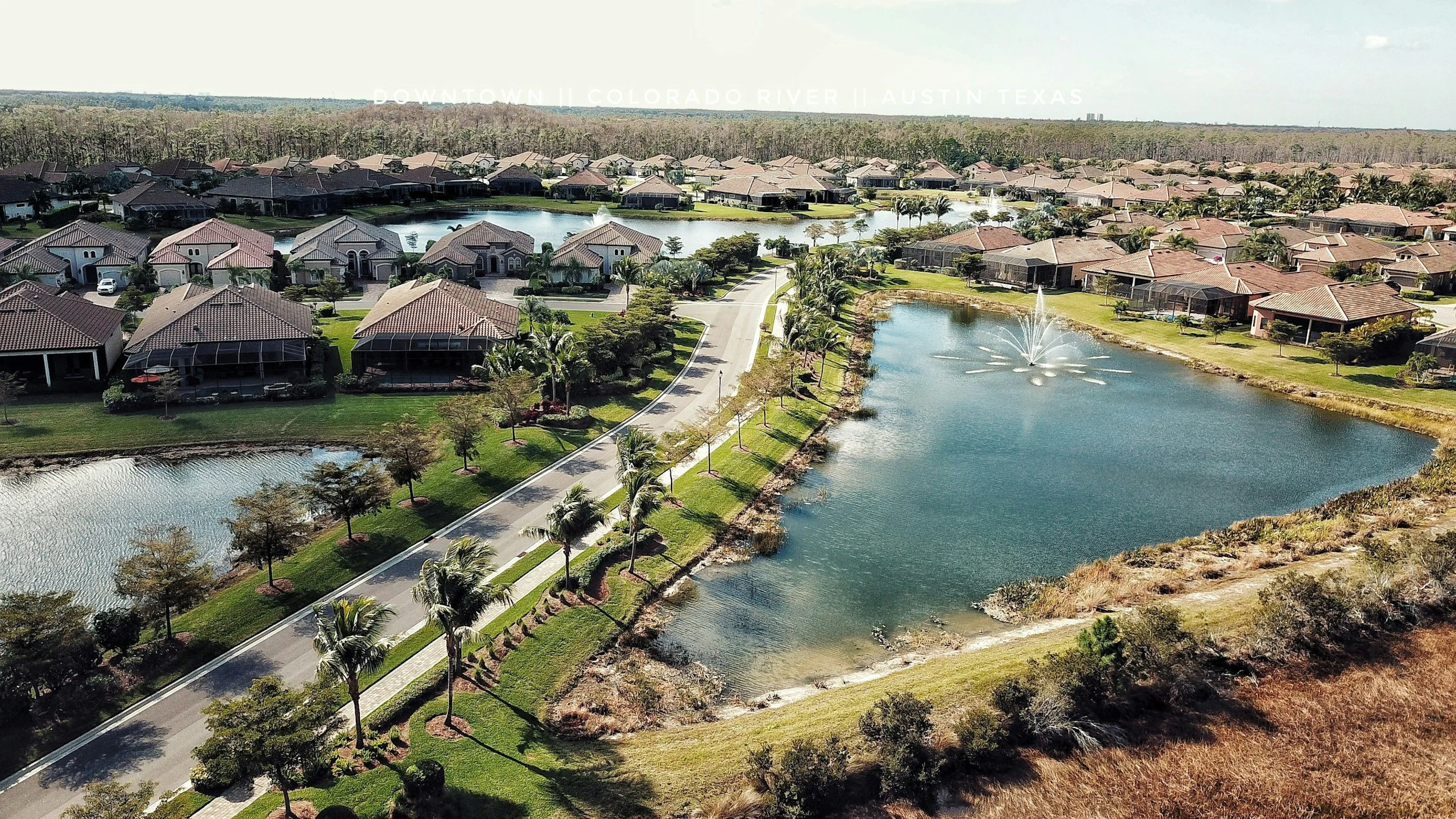
Discover the Best HOA Communities with Amenities in Fort Myers, Florida
Fort Myers, Florida, is a paradise for those seeking a vibrant community lifestyle enriched with top-notch amenities. The city offers a variety of Homeowners Association (HOA) communities, each boasting unique features designed to enhance residents' quality of life. Whether you're a retiree, a family, or a young professional, there's a community in Fort Myers that can cater to your needs. Here's a closer look at some of the best HOA communities in Fort Myers, each offering a blend of luxurious amenities and a strong sense of community

Fort Myers, Florida, is a paradise for those seeking a vibrant community lifestyle enriched with top-notch amenities. The city offers a variety of Homeowners Association (HOA) communities, each boasting unique features designed to enhance residents' quality of life. Whether you're a retiree, a family, or a young professional, there's a community in Fort Myers that can cater to your needs. Here's a closer look at some of the best HOA communities in Fort Myers, each offering a blend of luxurious amenities and a strong sense of community.
1. Pelican Preserve

Pelican Preserve is a premier 55+ community that epitomizes resort-style living. Known for its vast array of amenities, this community offers:
Golf Course: An award-winning 27-hole golf course perfect for enthusiasts.
Town Center: The Plaza del Sol town center features restaurants, a fitness center, a movie theater, and more.
Recreational Facilities: Indoor and outdoor swimming pools, tennis courts, pickleball, and a softball field.
Nature Trails: Enjoy scenic walks along the boardwalks and nature trails that wind through 38 acres of nature preserves.
2. Paseo

Paseo is a master-planned community that captures the essence of a tropical oasis. Its extensive list of amenities includes:
Village Center: A social hub with a resort-style pool, tiki bar, spa, fitness center, and a full-service concierge.
Sports Courts: Facilities for tennis, basketball, volleyball, and bocce ball.
Theatre and Library: An on-site theatre for movies and live performances and a well-stocked library.
Dining: Multiple dining options within the community, including a bistro and an ice cream parlor.
3. Verandah

Verandah is a serene, nature-focused community nestled along the Orange River. Key amenities here include:
Golf Courses: Two championship golf courses designed by Bob Cupp and Jack Nicklaus.
Fitness and Wellness: A comprehensive fitness center, spa services, and a network of nature trails.
Water Activities: Kayaking and fishing along the river.
Dog Park: A dedicated area for pet owners to enjoy time with their furry friends.
4. Colonial Country Club
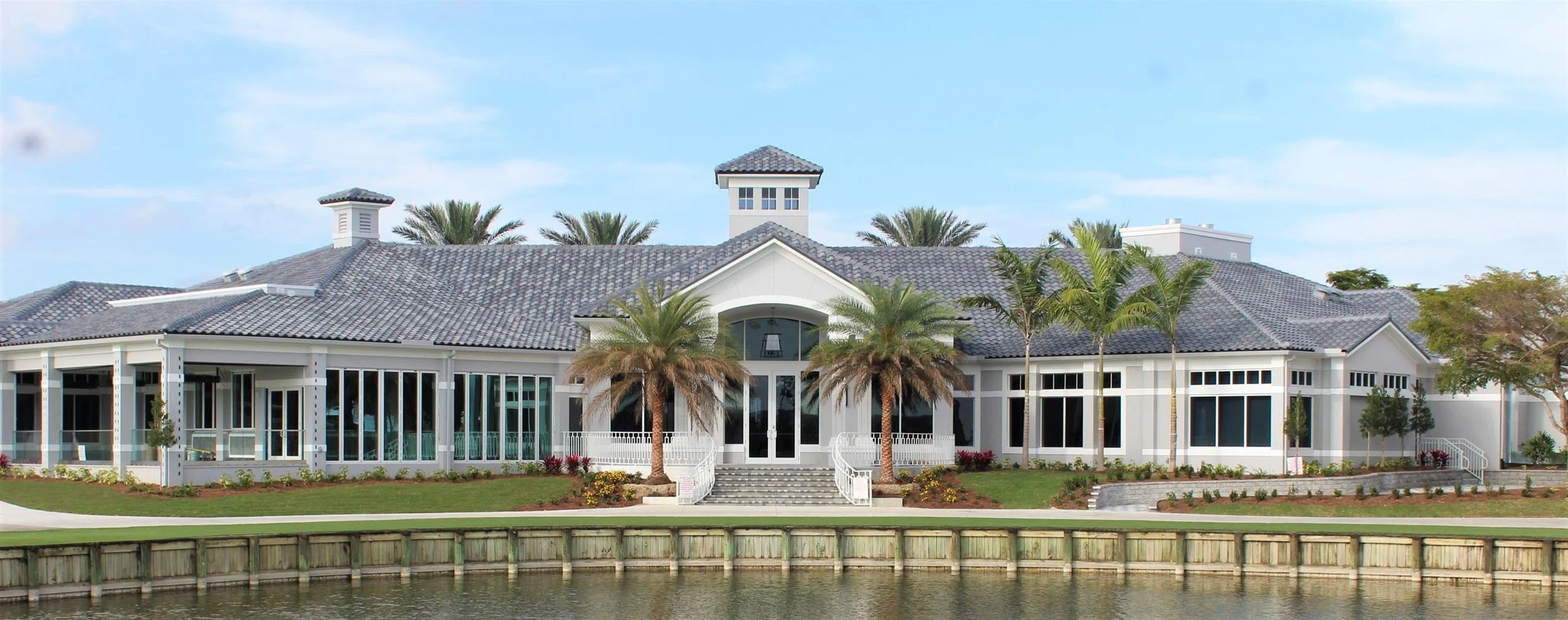
Colonial Country Club offers a harmonious blend of luxurious living and recreational activities. Highlights of this community are:
Golf: An 18-hole championship golf course designed by Gordon Lewis.
Clubhouse: A grand clubhouse with dining facilities, a library, and a business center.
Sports and Fitness: Tennis courts, a fitness center, and a swimming pool.
Social Events: A calendar full of social events and activities to foster community spirit.
5. The Plantation

The Plantation is an elegant community divided into two neighborhoods: Somerset and Bridgetown. It features:
Golf: A stunning 18-hole golf course designed by Hurdzan-Fry.
Amenity Center: A resort-style pool, fitness center, and tennis courts.
Social Clubs: Numerous clubs and groups catering to a variety of interests, from cards to gardening.
Walking Trails: Beautifully landscaped walking and biking trails.
6. Gulf Harbour Yacht & Country Club

For those who love waterfront living, Gulf Harbour Yacht & Country Club is an ideal choice. Its amenities include:
Marina: A deep-water marina with direct access to the Gulf of Mexico.
Golf and Tennis: An 18-hole championship golf course and top-tier tennis facilities.
Spa and Fitness: A state-of-the-art fitness center and luxurious spa.
Dining and Socializing: Multiple dining options and a full calendar of social events.
7. Gateway

Gateway is a diverse community catering to families, professionals, and retirees. It offers:
Golf Club: A Tom Fazio-designed golf course.
Recreation: A large community park with soccer fields, basketball courts, and a swimming pool.
Schools: Proximity to highly rated schools, making it ideal for families.
Business Park: An on-site business park providing convenience for professionals.
Conclusion
Fort Myers boasts an impressive selection of HOA communities, each offering a unique blend of amenities and lifestyle options. Whether you're seeking an active retirement community, a family-friendly neighborhood, or a luxurious waterfront enclave, Fort Myers has something to offer. Explore these communities, and you'll surely find the perfect place to call home in this beautiful, sun-soaked city.
If you have any real estate questions, feel free to reach out at 239-785-6986. -Chad Damitz, Broker/Founder of Anchorpoint Real Estate

A Local's Guide to the Best Restaurants in Cape Coral, Florida
Cape Coral, Florida, is a food lover's paradise, offering a diverse array of dining options that cater to all tastes and preferences. Whether you're in the mood for fresh seafood, international cuisine, or a casual bite, Cape Coral has something for everyone. Here’s a local’s guide to the best restaurants in Cape Coral that you won’t want to miss.
Cape Coral, Florida, is a food lover's paradise, offering a diverse array of dining options that cater to all tastes and preferences. Whether you're in the mood for fresh seafood, international cuisine, or a casual bite, Cape Coral has something for everyone. Here’s a local’s guide to the best restaurants in Cape Coral that you won’t want to miss.
1. Fish Tale Grill by Merrick Seafood

Overview:
Cuisine: Seafood
Ambiance: Casual, Coastal
Location: 1229 SE 47th Terrace, Cape Coral, FL
Why Locals Love It:
Fish Tale Grill is renowned for its fresh, locally-sourced seafood. The menu features everything from classic fish and chips to more adventurous options like the seafood tower. With a laid-back atmosphere and exceptional service, it’s a must-visit for seafood enthusiasts.
Must-Try Dish:
The Lobster Bisque and the Blackened Grouper Sandwich are fan favorites.
2. Rumrunners

Overview:
Cuisine: American, Seafood
Ambiance: Upscale, Waterfront
Location: 5848 Cape Harbour Dr, Cape Coral, FL
Why Locals Love It:
Located in the beautiful Cape Harbour Marina, Rumrunners offers stunning waterfront views and a menu filled with fresh, high-quality seafood and steaks. It’s perfect for a romantic dinner or a special occasion.
Must-Try Dish:
The Crab-Crusted Grouper and the Ahi Tuna Nachos are highly recommended.
3. Point 57 Kitchen & Cocktails

Overview:
Cuisine: American, Southern
Ambiance: Chic, Modern
Location: 3522 Del Prado Blvd S, Cape Coral, FL
Why Locals Love It:
Point 57 offers a unique twist on Southern cuisine with a modern flair. The craft cocktails and innovative dishes make it a popular spot for brunch, lunch, and dinner. The stylish decor and friendly service add to the dining experience.
Must-Try Dish:
The Fried Green Tomatoes and the Shrimp and Grits are standout options.
4. Ceno Grille

Overview:
Cuisine: Italian, Mediterranean
Ambiance: Cozy, Intimate
Location: 1715 Cape Coral Pkwy W, Cape Coral, FL
Why Locals Love It:
Ceno Grille is a hidden gem offering delicious Italian and Mediterranean dishes in a cozy setting. The family-owned restaurant is known for its warm hospitality and generous portions.
Must-Try Dish:
The Veal Saltimbocca and the Penne alla Vodka are local favorites.
5. Lobster Lady Seafood Market & Bistro

Overview:
Cuisine: Seafood, American
Ambiance: Casual, Market-Style
Location: 1715 Cape Coral Pkwy W, Cape Coral, FL
Why Locals Love It:
Lobster Lady is both a seafood market and a bistro, offering the freshest catches of the day. The casual, market-style dining experience is perfect for seafood lovers looking to enjoy a relaxed meal.
Must-Try Dish:
The Maine Lobster Roll and the Clam Chowder are particularly popular.
6. No. 3 Craft Brews & Beer Bar

Overview:
Cuisine: American, Pub Food
Ambiance: Laid-Back, Casual
Location: 1319 Cape Coral Pkwy E, Cape Coral, FL
Why Locals Love It:
No. 3 Craft Brews & Beer Bar is the go-to spot for craft beer enthusiasts. With a wide selection of local and regional brews on tap, paired with delicious pub fare, it’s a great place to unwind with friends.
Must-Try Dish:
The Pretzel with Beer Cheese and the Bacon-Wrapped Jalapeños are crowd-pleasers.
7. Nice Guys Pizza and Beer

Overview:
Cuisine: Pizza, American
Ambiance: Quirky, Fun
Location: 1334 Cape Coral Pkwy E, Cape Coral, FL
Why Locals Love It:
Nice Guys is known for its creative pizza toppings and an extensive beer selection. The quirky, fun atmosphere and delicious pies make it a favorite among locals for a casual night out.
Must-Try Dish:
The Mac & Cheese Pizza and the Korean BBQ Pizza are unique and tasty.
Conclusion
Cape Coral’s dining scene offers a rich tapestry of flavors and experiences. From fresh seafood and Southern comfort food to Italian classics and creative pizzas, there’s something to satisfy every palate. Next time you’re in Cape Coral, be sure to check out these local favorites for a memorable dining experience.
If you have any questions, feel free to reach me at 239-785-6986. I look forward to hearing from you! -Chad Damitz, Broker/Founder of Anchorpoint Real Estate

Fort Myers vs. Punta Gorda: Which City Should You Call Home?
Fort Myers vs. Punta Gorda: Which City Should You Call Home?
Choosing the right place to live in Southwest Florida can be challenging, especially when deciding between two great options like Fort Myers and Punta Gorda. Both cities offer unique lifestyles, amenities, and opportunities. Here’s a detailed comparison to help you decide which city might be the best fit for you.

Choosing the right place to live in Southwest Florida can be challenging, especially when deciding between two great options like Fort Myers and Punta Gorda. Both cities offer unique lifestyles, amenities, and opportunities. Here’s a detailed comparison to help you decide which city might be the best fit for you.
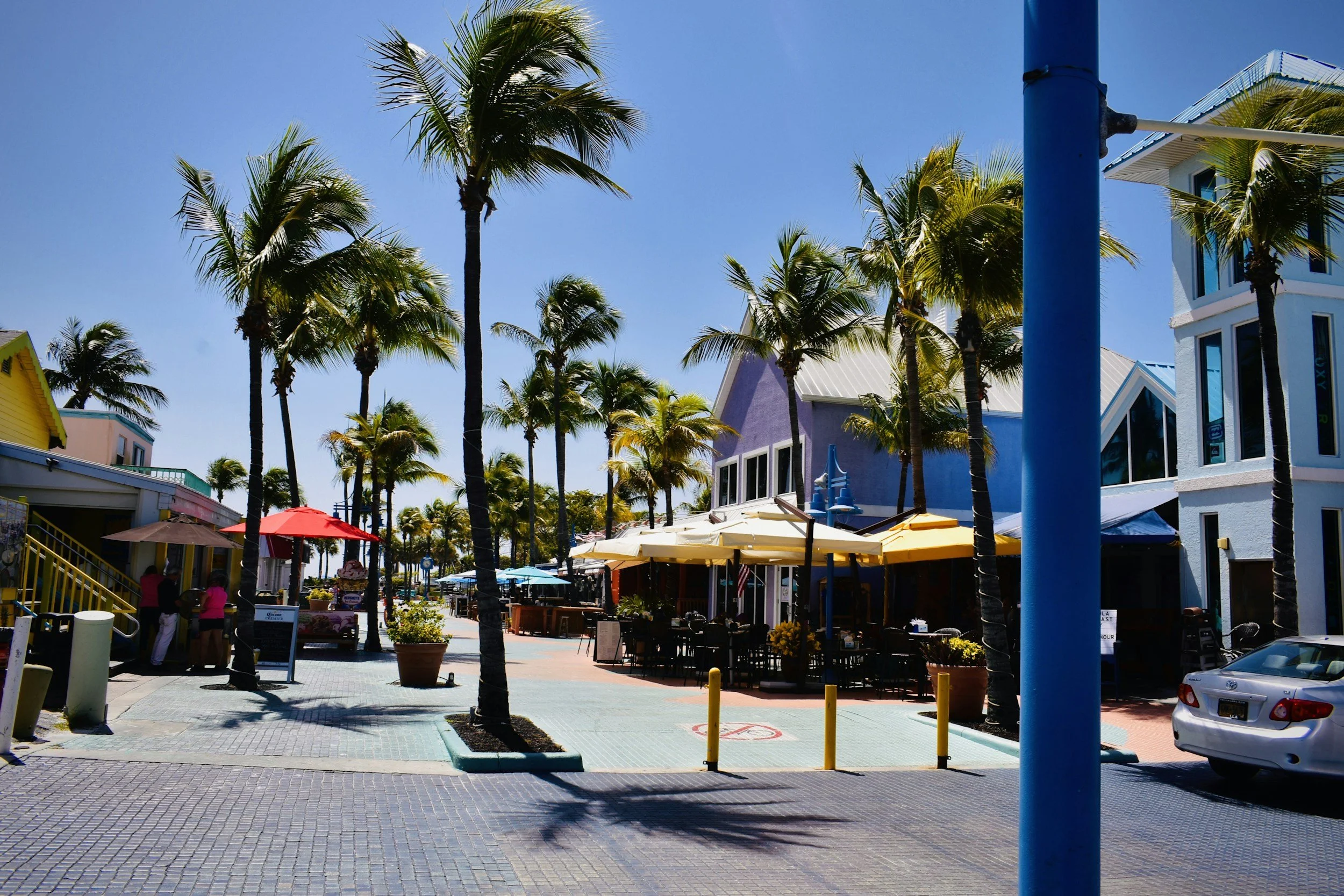
Overview
Fort Myers is known for its vibrant downtown area, beautiful beaches, and strong community spirit. It offers a mix of urban and suburban living, making it ideal for families, retirees, and young professionals.
Punta Gorda, a smaller city with a historic charm, is situated along Charlotte Harbor. It’s known for its peaceful, laid-back atmosphere and is popular among boaters and nature enthusiasts.
Cost of Living
Fort Myers: Generally, Fort Myers has a moderate cost of living. Housing is more affordable compared to some larger cities in Florida, and everyday expenses like groceries and transportation are reasonable.
Punta Gorda: Punta Gorda tends to have a slightly lower cost of living compared to Fort Myers. Housing prices are more affordable, and the overall cost of living is quite budget-friendly.
Real Estate Market
Fort Myers: The real estate market in Fort Myers is diverse, offering a range of options from waterfront condos to suburban single-family homes. The city has seen steady growth, with new developments continually expanding the housing market.
Punta Gorda: Real estate in Punta Gorda includes a mix of historic homes, modern developments, and waterfront properties. The market here is smaller and less competitive than Fort Myers, making it attractive for those looking for a quieter place to live.
Job Market and Economy
Fort Myers: The economy in Fort Myers is diverse, driven by healthcare, education, tourism, and retail. The city is growing, providing ample job opportunities, particularly in service industries and small businesses.
Punta Gorda: Punta Gorda’s economy is smaller and more focused on local businesses, tourism, and services related to boating and marine activities. While job opportunities may be more limited than in Fort Myers, it offers a tight-knit community feel.
Lifestyle and Recreation
Fort Myers: Life in Fort Myers is vibrant and active. The city boasts beautiful beaches, such as Fort Myers Beach and Sanibel Island, perfect for outdoor activities like fishing, boating, and shelling. Cultural attractions include the Edison and Ford Winter Estates, various museums, and local festivals.
Punta Gorda: Punta Gorda offers a more tranquil lifestyle, with a strong emphasis on boating and outdoor recreation. The city is renowned for its historic district, waterfront parks, and numerous marinas. Fishermen’s Village, a waterfront shopping and dining complex, is a local favorite.
Education and Family Life
Fort Myers: Fort Myers is family-friendly, with a range of highly rated public and private schools, parks, and recreational facilities. The city’s mix of urban and suburban environments provides plenty of options for families.
Punta Gorda: Punta Gorda also has good educational institutions, with a focus on community and smaller class sizes. The family-friendly atmosphere and safe neighborhoods make it a great place to raise children.
Transportation and Accessibility
Fort Myers: Transportation in Fort Myers is car-dependent, though the city is working on improving public transit options. Traffic is generally manageable, and the city is well-connected by major highways.
Punta Gorda: Punta Gorda is more car-dependent, with limited public transportation options. However, the smaller size of the city means less traffic and easier commutes. The Punta Gorda Airport offers convenient regional flights.
Climate
Both cities enjoy Florida’s warm, sunny climate, but there are some nuances:
Fort Myers: Known for its beautiful winter weather, Fort Myers has a subtropical climate with hot, humid summers and mild winters. It’s great for those who love year-round outdoor activities.
Punta Gorda: Similar to Fort Myers, Punta Gorda has a tropical climate with hot summers and mild winters. It tends to be slightly less humid, making it a bit more comfortable during peak summer months.
Community and Culture
Fort Myers: Fort Myers has a bustling community with a diverse cultural scene. There are numerous events, festivals, and markets that bring residents together, creating a lively and engaging atmosphere.
Punta Gorda: Punta Gorda offers a more laid-back, close-knit community feel. The city’s historic charm and waterfront living create a unique cultural vibe, with frequent community events and festivals that emphasize local heritage and maritime activities.
Conclusion
Fort Myers is the ideal choice for those seeking a more urban lifestyle with a range of amenities and opportunities. It’s perfect for families, young professionals, and retirees looking for an active, engaging environment with plenty of recreational and cultural activities.
Punta Gorda appeals to those who prefer a quieter, more relaxed lifestyle with a strong sense of community. It’s well-suited for boaters, nature enthusiasts, and anyone looking for a peaceful, small-town atmosphere with easy access to the water.
Ultimately, the choice between Fort Myers and Punta Gorda depends on your personal preferences, lifestyle, and priorities. Both cities offer their own unique charm and quality of life, so you can’t go wrong with either choice.
If you have any questions, feel free to reach out to me at 239-785-6986. I look forward to hearing from you! -Chad Damitz, Broker/Founder of Anchorpoint Real Estate

The Benefits of Working Directly with a Real Estate Broker
Choosing the right real estate professional is crucial for a successful transaction, whether you are buying, selling, or investing in property. One option that often provides unique benefits is working with a real estate broker who owns their own company. Here are some compelling reasons why partnering with an independent broker-owner can be advantageous for your real estate journey.
Choosing the right real estate professional is crucial for a successful transaction, whether you are buying, selling, or investing in property. One option that often provides unique benefits is working with a real estate broker who owns their own company. Here are some compelling reasons why partnering with an independent broker-owner can be advantageous for your real estate journey.

1. Personalized Service and Attention
Independent brokers who own their own companies are typically more invested in their clients' satisfaction and success. Unlike larger firms where clients might be passed around, a broker-owner provides a higher level of personalized service and attention to detail. They are directly accountable for their business’s reputation, which often translates into superior customer service.
2. In-Depth Local Market Knowledge
Broker-owners often have extensive experience and deep roots in the local market. This in-depth knowledge of local neighborhoods, market trends, and property values can be invaluable when buying or selling a home. Their local expertise helps clients make informed decisions and capitalize on the best opportunities.
3. Flexible and Creative Solutions
Independent brokers have the freedom to be more flexible and creative in their approach to real estate transactions. They are not bound by the rigid protocols of a larger corporate structure, allowing them to tailor their strategies to meet the unique needs of each client. This flexibility can lead to more innovative marketing tactics, customized negotiation strategies, and better overall outcomes.
4. Direct Access to the Broker
When working with a broker who owns their own company, you often have direct access to the decision-maker. This direct line of communication can streamline the process, reduce misunderstandings, and ensure that your concerns are addressed promptly. It also means you are working with someone who has the authority to make decisions and take action quickly.
5. Stronger Commitment to Client Success
A broker-owner’s livelihood depends on their reputation and client satisfaction. This often results in a stronger commitment to ensuring that clients achieve their real estate goals. They are more likely to go above and beyond to ensure a successful transaction, knowing that their business thrives on positive referrals and repeat business.
6. Customized Marketing Strategies
Independent brokers can develop and implement customized marketing strategies that are specifically designed for your property. They can leverage their local market insights and creative freedom to showcase your home in the best possible light, using tailored advertising, social media campaigns, and community outreach to attract the right buyers.
7. Broad Network and Resources
Despite being independent, many broker-owners have extensive networks of contacts within the real estate industry. They often collaborate with other professionals such as mortgage brokers, inspectors, contractors, and attorneys to provide a comprehensive service to their clients. This network can help streamline the buying or selling process and provide additional support and resources.
8. Higher Level of Accountability
When you work with a broker who owns their own company, there is a higher level of accountability. They take personal pride in their work and their company’s brand, which often translates to a greater dedication to client satisfaction and ethical business practices. You can expect honesty, transparency, and a genuine commitment to helping you achieve your real estate objectives.
9. Expert Negotiation Skills
Broker-owners bring a wealth of experience and expert negotiation skills to the table. They have likely handled a wide range of transactions and have developed the acumen to negotiate effectively on your behalf. Their goal is to ensure you get the best possible deal, whether you are buying or selling.
10. Long-Term Relationship Building
Independent brokers are often focused on building long-term relationships with their clients. They are not just interested in a single transaction but in becoming your trusted real estate advisor for life. This long-term perspective means they are more likely to prioritize your best interests and provide ongoing support and advice.
Conclusion
Working with a real estate broker who owns their own company offers numerous benefits, from personalized service and local expertise to flexible solutions and strong client commitment. By choosing an independent broker-owner, you gain a dedicated partner who is invested in your success and capable of delivering a superior real estate experience. Whether you are buying, selling, or investing, consider the unique advantages of partnering with a broker who has the freedom, authority, and motivation to help you achieve your real estate goals.

Chad Damitz
Broker/Founder of AnchorPoint Real Estate
Give me a call at 239-785-6986
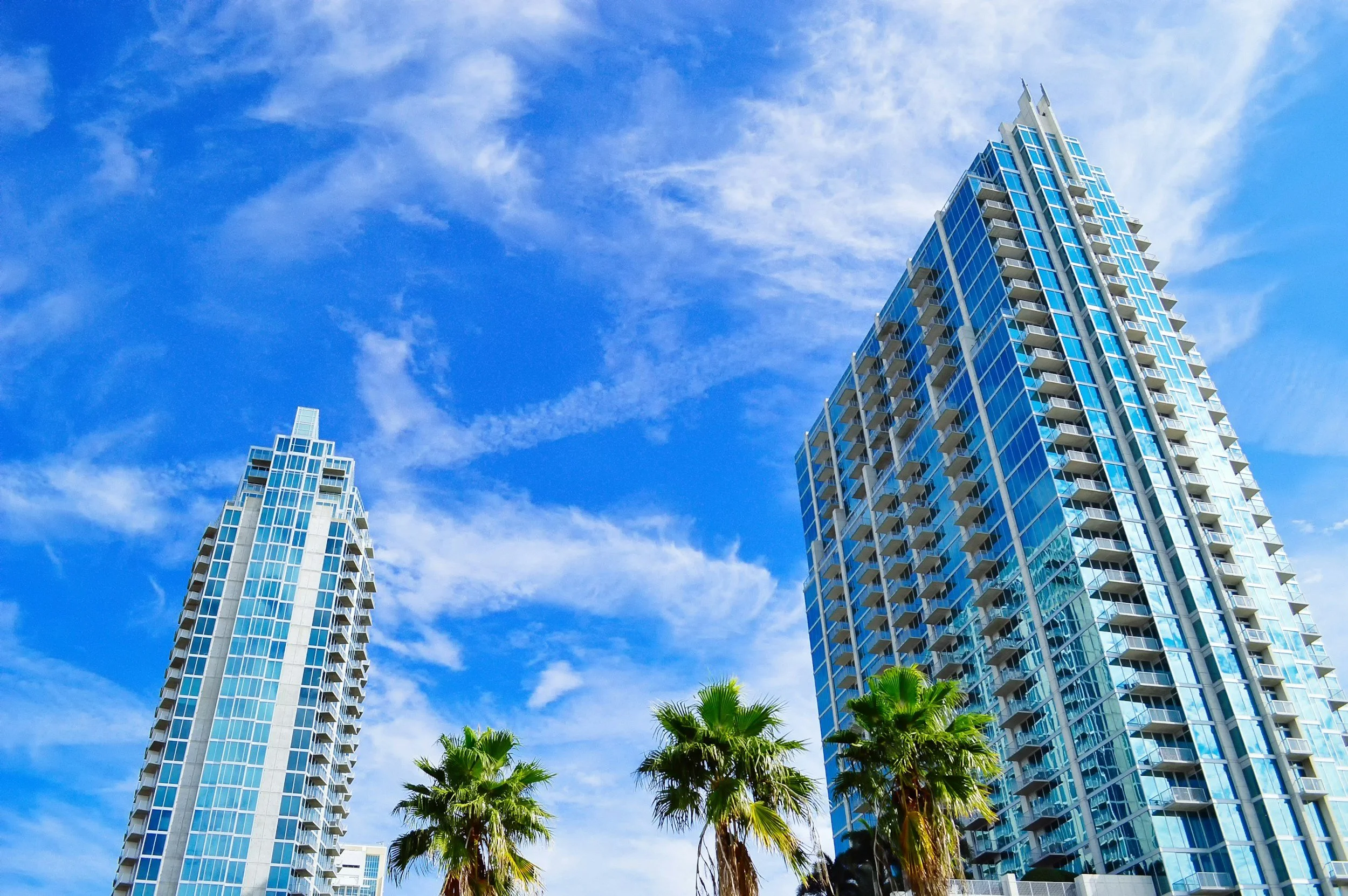
What's Happening in the Commercial Real Estate Market in Southwest Florida?
What's Happening in the Commercial Real Estate Market in Southwest Florida?
The commercial real estate market in Southwest Florida is experiencing significant changes and developments, reflecting broader economic trends and the unique dynamics of the region. From new construction projects to shifts in market demand, here’s a look at the current state of commercial real estate in Southwest Florida.
The commercial real estate market in Southwest Florida is experiencing significant changes and developments, reflecting broader economic trends and the unique dynamics of the region. From new construction projects to shifts in market demand, here’s a look at the current state of commercial real estate in Southwest Florida.

Booming Development Projects
Southwest Florida is seeing a surge in new construction and development projects, particularly in key cities like Naples, Fort Myers, and Sarasota. These projects include:
Mixed-Use Developments: Combining retail, office, and residential spaces, these developments are becoming increasingly popular. They cater to the growing demand for live-work-play environments.
Industrial Parks: There’s a rising demand for industrial space, driven by the growth of e-commerce and logistics. New industrial parks are being developed to meet this need, offering state-of-the-art facilities for warehousing and distribution.
Office Spaces: Despite the remote work trend, there is still a demand for modern office spaces. Companies are looking for flexible, technologically advanced office environments that can adapt to hybrid work models.

Retail Sector Evolution
The retail sector in Southwest Florida is undergoing a transformation. Traditional brick-and-mortar stores are adapting to the changing landscape by incorporating more experiential elements and digital integration.
Experiential Retail: Retail spaces are becoming destinations where customers can enjoy unique experiences, such as in-store events, dining options, and interactive displays.
Retail Vacancies: While some retail spaces have faced vacancies due to shifts in consumer behavior, prime locations in high-traffic areas are still in demand, attracting new tenants and innovative retail concepts.
E-Commerce Influence: The rise of e-commerce continues to influence retail real estate. Retailers are focusing on smaller storefronts that function as showrooms or pick-up points for online orders.
Growth in the Hospitality Sector
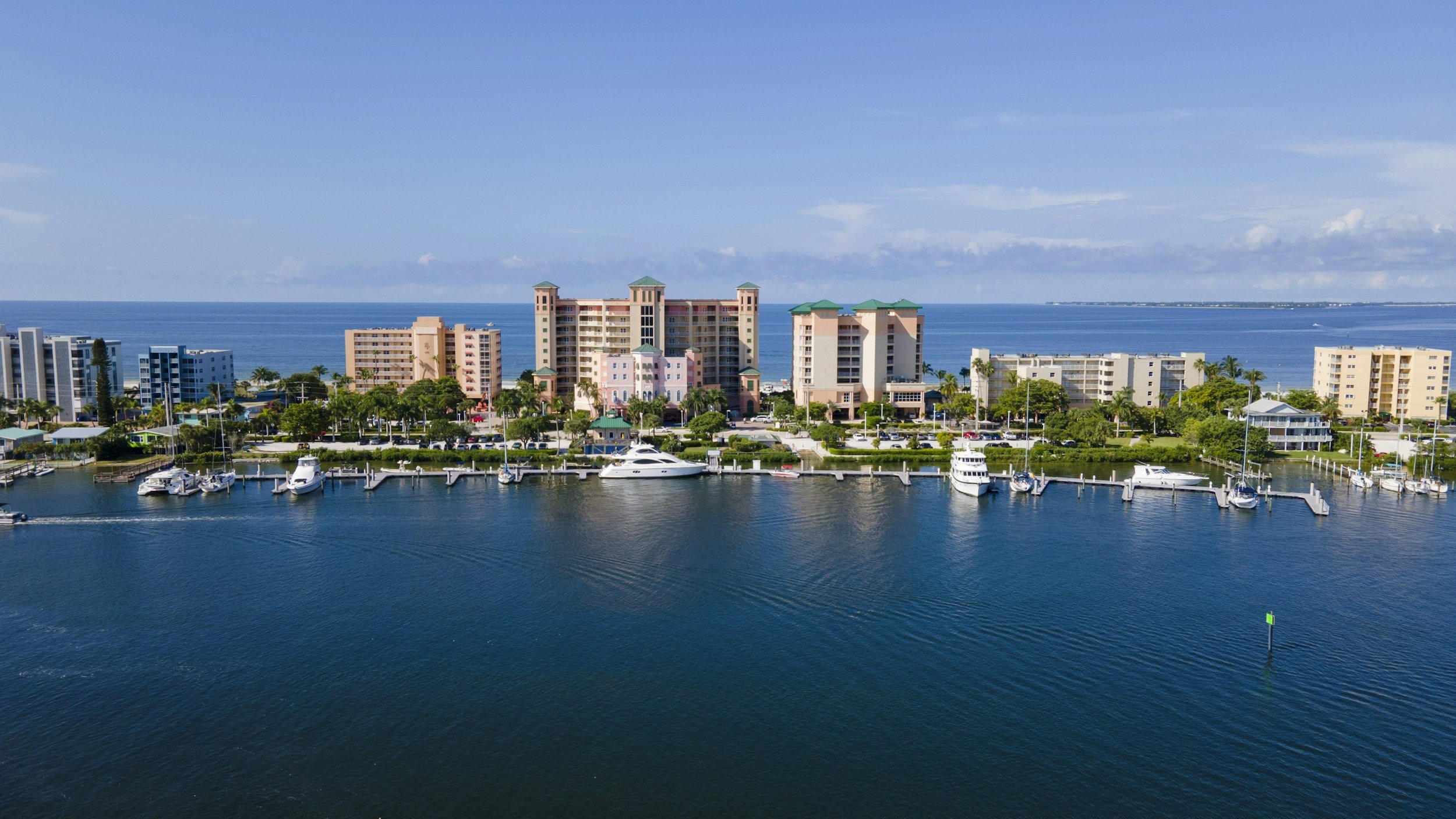
Southwest Florida's hospitality sector is thriving, buoyed by the region's appeal as a tourist destination. New hotels, resorts, and vacation rental properties are being developed to accommodate the influx of visitors.
New Hotels and Resorts: Several new hotel projects are in the pipeline, offering luxury accommodations and unique amenities that cater to both leisure and business travelers.
Vacation Rentals: The popularity of vacation rentals has led to an increase in investment in this sector. Property owners are converting residential properties into short-term rentals to capitalize on the high demand.
Rising Interest in Green Buildings
Sustainability is becoming a key focus in commercial real estate. Developers and property owners are increasingly incorporating green building practices to attract environmentally conscious tenants and comply with regulatory standards.
LEED Certification: Many new projects are aiming for LEED (Leadership in Energy and Environmental Design) certification, which signifies high performance in areas like energy savings, water efficiency, and CO2 emissions reduction.
Energy Efficiency: Upgrading existing buildings with energy-efficient systems, such as solar panels, advanced HVAC systems, and smart building technologies, is a growing trend.
Economic and Demographic Drivers
Several economic and demographic factors are driving the commercial real estate market in Southwest Florida:
Population Growth: The region continues to attract new residents, including retirees and young professionals, boosting demand for commercial spaces that cater to diverse needs.
Economic Diversification: Efforts to diversify the local economy beyond tourism and real estate are paying off, with growth in sectors like healthcare, education, and technology.
Infrastructure Improvements: Ongoing infrastructure projects, such as road expansions and public transportation enhancements, are improving accessibility and making Southwest Florida an even more attractive destination for businesses.
Challenges and Opportunities
While the market is thriving, it also faces challenges that present opportunities for innovation and adaptation:
Supply Chain Disruptions: Global supply chain issues have impacted construction timelines and costs, prompting developers to seek local solutions and alternative materials.
Workforce Shortages: The labor market is tight, affecting both construction and operational staffing. Investing in workforce development and training programs is crucial.
Rising Interest Rates: Increasing interest rates could impact financing for new projects. Developers and investors need to navigate these changes carefully to maintain profitability.
Conclusion
The commercial real estate market in Southwest Florida is vibrant and dynamic, characterized by significant growth and transformation. As the region continues to evolve, it offers numerous opportunities for investors, developers, and businesses. By staying informed about market trends and adapting to changing demands, stakeholders can capitalize on the exciting developments shaping Southwest Florida's commercial real estate landscape.
If you have any questions, please give me a call at 239-785-6986. I look forward to hearing from you! -Chad Damitz, Broker/Founder of Anchorpoint Real Estate